By Hannah Shub
A proposed cruise port near the Sunshine Skyway Bridge is facing new uncertainty after a recently signed state law placed restrictions on development in protected waters, intensifying debate over its environmental and economic impact.
For local fishermen, the concern is immediate. “This project would destroy not just where it would be built, but all the surrounding areas–wildlife would die and have nowhere to go,” said Parker Kwiatkowski, a local fisherman and member of Fishin’ for Veterans LLC, who is familiar with the waters near the Terra Ceia Aquatic Preserve.
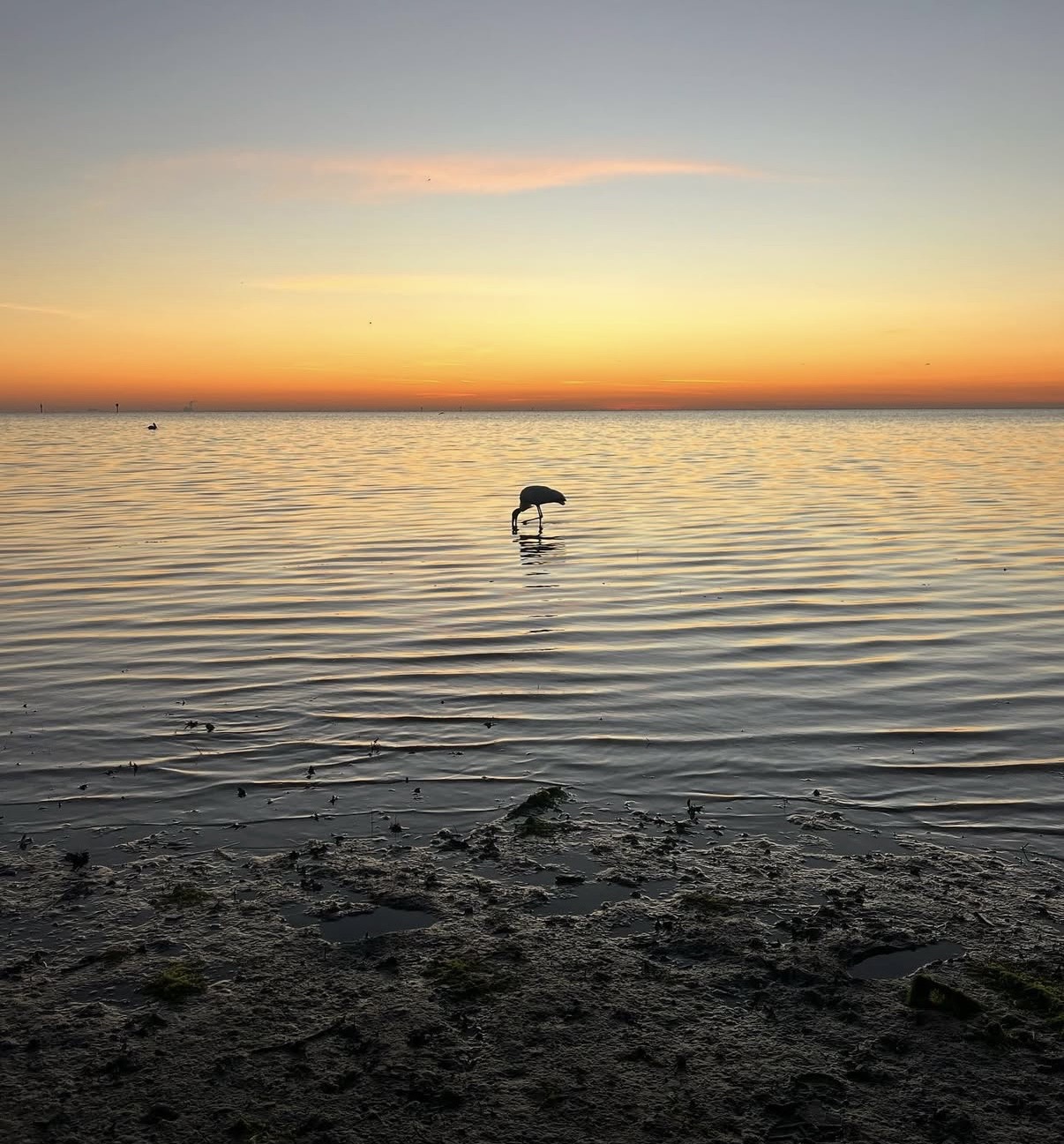
The proposed development, backed by SSA Marine and its partners, Knott‑Cowen, would be located near the Terra Ceia Aquatic Preserve, a long-known protected area established under the Florida Aquatic Preserve Act of 1975 to safeguard biologically significant coastal habitats.
Spanning more than 21,000 acres, the preserve supports seagrass beds, mangroves, fisheries and a range of threatened species, making it one of the most ecologically valuable areas in Tampa Bay. The project is also part of a broader trend of expanding cruise infrastructure along Florida’s Gulf Coast, where similar developments have sparked ongoing debates over environmental trade-offs.
A recent state law signed by Gov. Ron DeSantis adds another layer of uncertainty to the proposal. Senate Bill 302 places new restrictions on dredging and development in protected areas like the Terra Ceia Aquatic Preserve, the same region where the cruise port has been proposed–raising questions about whether the project can realistically move forward under tighter environmental protections.
While the new law raises questions about the project’s feasibility, developers appear to remain confident in its future.
In a statement provided by SSA Marine, representatives for the project said they are committed to “Meaningful environmental conservation, local job creation and long-term economic growth in Manatee County,” and emphasized working “constructively” with state and local leaders to meet both economic and ecological needs.
The statement signals an intent to move forward, despite growing uncertainty about whether the project can meet new environmental restrictions.
The statement, however, does not address how the project would move forward under restrictions that could directly limit or prevent development in the same protected waters.
Environmental advocates argue that placing a large-scale cruise port in such a sensitive area could have long-term consequences.
“The cruise port’s proposed development location is the last remaining integrated, continuous natural ecosystem in Tampa Bay,” said Abbey Tyrna, Executive Director & Waterkeeper of Suncoast Waterkeeper. “Its environmental value cannot be overstated.”
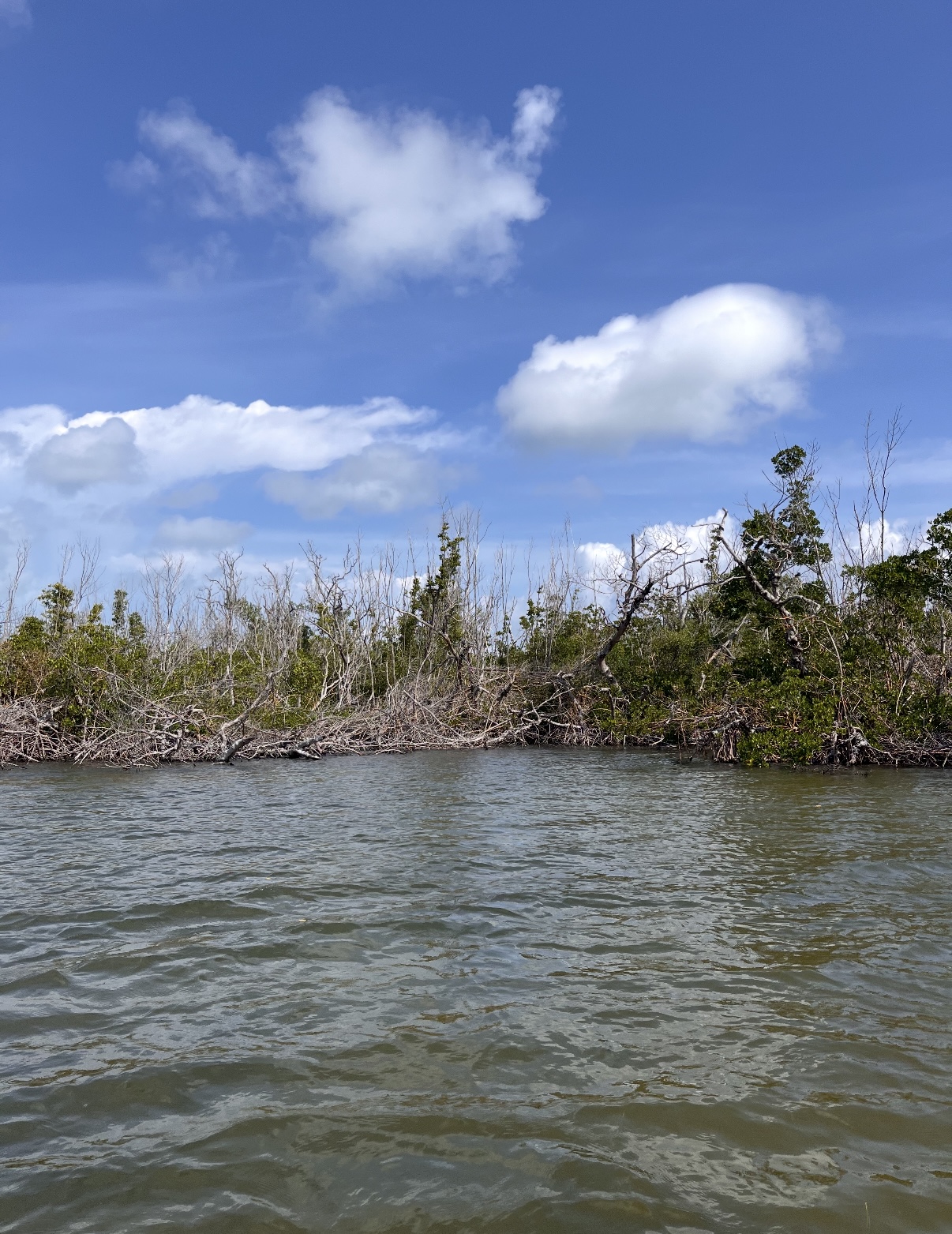
According to Tyrna, the preserve contains seagrass meadows, mangroves, oyster bars and tidal flats that coexist in extremely shallow waters–conditions that make large-scale ship access difficult without major environmental disruption.
“In order to get the largest ships in the world to travel through one of the most shallow estuaries, the area would have to be dredged to approximately 50 feet,” Tyrna said. “That contradicts the protected status of the preserve.”
Similar dredging projects at ports such as Miami and Port Everglades have been linked to increased sedimentation and damage to coral reefs and seagrass habitats, raising concerns about long-term environmental consequences.
From a local perspective, fishermen say the project could directly impact both marine life and their livelihoods.
“The fishing is amazing. The water is gorgeous,” Kwiatkowski said. “The life of fish and other wildlife would be destroyed if anything was built there.”
He added that increased boat traffic and habitat destruction could eliminate key fishing areas.
“There would be no fishing anymore over there due to boat traffic and the fact that all the seagrass would be gone,” he said. “The mangroves would all be destroyed, and they play a big part in marine life activity.”
Kwiatkowski also pointed to ongoing environmental challenges in the region, including red tide, as evidence of just how fragile the ecosystem already is.
“Red tide just destroys the water and kills everything in its way,” he said. “We’ve already seen what damage looks like.”
The debate surrounding the proposed cruise port highlights a broader tension seen across Florida’s Gulf Coast, where economic development efforts often collide with the need to protect vital coastal ecosystems.
“This isn’t economic development,” Tyrna said. “There is no evidence that this cruise port will generate more revenue than it will cost. Framing it as economic development is simply lazy.”
It is clear these back-and-forth discussions have reached uncharted waters.