By Olivia Gil
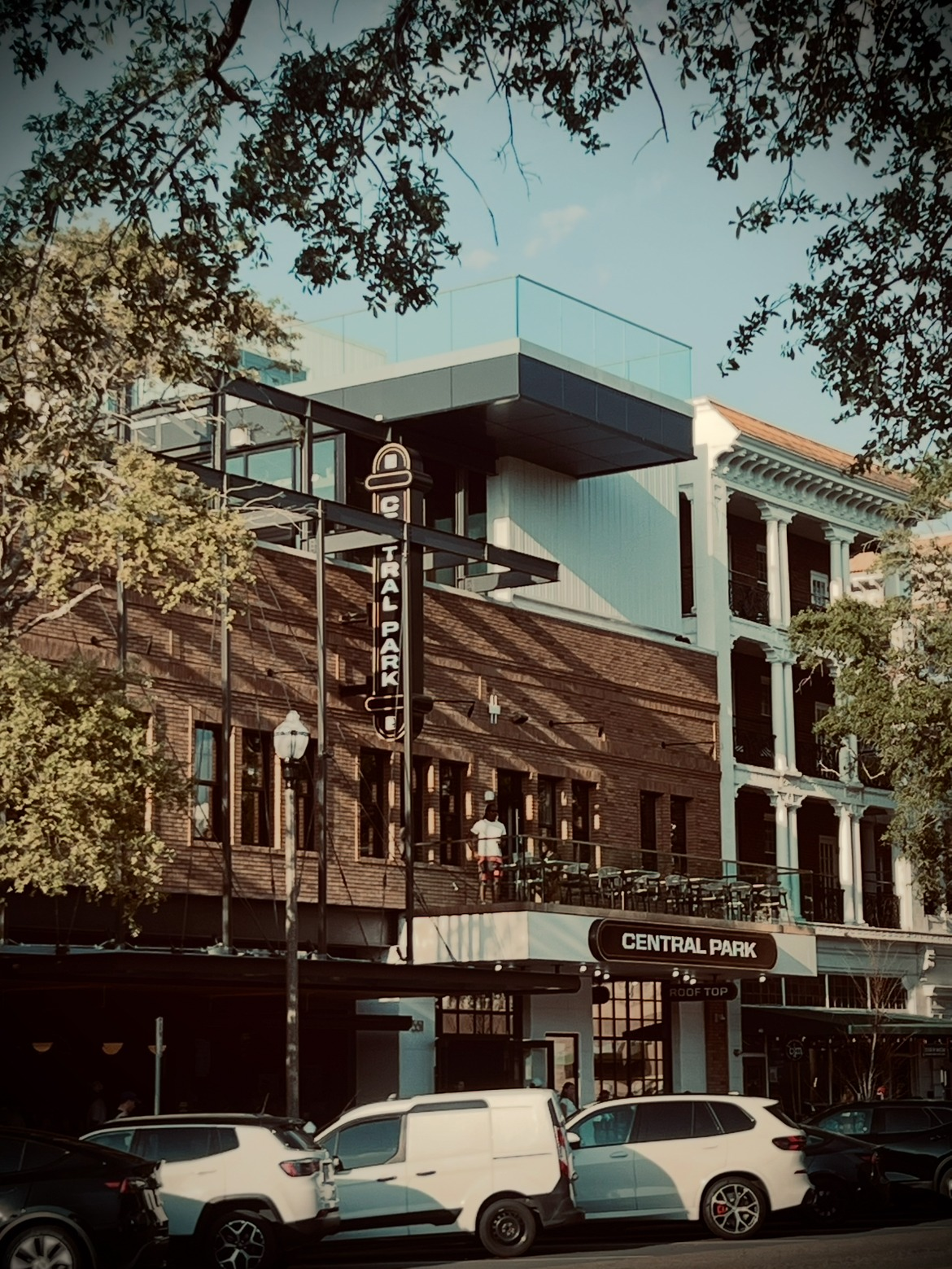
Central Park St. Pete officially opened its doors on Feb. 23, after five years of delays. The project, which cost approximately $20 million, transformed the historic Woolworth building into a five-story, 28,000-square-foot food and beverage hall in the heart of downtown.
While its development marked an ambitious addition to the St. Pete food scene, nearby businesses said the impact of Central Park has been more modest than anticipated, at least so far.
Tammy Williams, an employee at a neighboring restaurant, Tony’s Pizza, said foot traffic in the area has remained relatively the same since the food hall opened. Although she hasn’t visited it herself, she said the space has an inviting atmosphere.
“It seems pretty lively in there,” Williams said. “I think it adds a little bit of a community feel to the neighborhood.”
Inside Central Park, management said the project is still in its early stages. According to general manager Matthew Harding, the food hall is opening in phases to ensure that operations run smoothly.
“This is a really big project,” Harding said. “Most food halls are on lease agreements, with tenants for each of the stalls, but we own and operate everything here. Opening seven quick-service restaurants and three full-service restaurants is kind of a big undertaking. And if we open them all up at once and try to train the staff all at once, it just wouldn’t sustain.”
Once fully operational, Central Park will be home to over a dozen restaurants, staffed by roughly 125 to 145 employees, according to the Tampa Bay Times.
This relaxed rollout may explain why crowds have been steady, but not overwhelming.
“The feedback from customers has been great,” Harding said. “We’re not too busy yet, but that’s intentional.”
While the food hall has received encouraging reviews from its customers and neighbors, some St. Petersburg residents remain skeptical about their neighborhood’s newest addition, arguing that the space doesn’t live up to its message.
Central Park describes itself as a “modern gathering spot rooted in community, creativity and connection,” but one feature is raising eyebrows about its accessibility: its members-only rooftop bar, Night Owl. Charging a $30,000 initiation fee and a $500 monthly membership fee, the club appears to be geared to a more affluent audience.
“I have not visited Central Park… but my first impression is that it’s another overpriced eyesore catering to the transplants and tourists who have taken over downtown,” Aidan Cooper, a sixth-generation St. Petersburg resident, said.
Cooper said that these high-end, exclusive spaces contribute to what he sees as a serious change in the city’s identity.
“Looking at the Central Park website, you can tell they want to seem accessible to everyone, but it’s really just catering to the wealthy tourists that flock to downtown’s foodie scene,” Cooper said.
The food hall is home to nine restaurants, four bars and a boutique in addition to its members-only club, some of which are sister locations to Sarasota restaurants.
“From a Michelin-starred kitchen to a rooftop bar caters only to the trendy tourists who are making downtown completely unrecognizable to people who actually live here,” Cooper said.
Downtown St. Petersburg has seen a rise in redevelopment over the past decade, in response to demand for upscale dining and entertainment options for tourists and new residents.
“It’s fitting that Central Park is getting up and running when the Chattaway, the oldest running restaurant in St. Pete, is announcing its closure. The folksy diner, mom-and-pop tourist spots that defined St. Pete are quickly being gentrified out of business,” Cooper said.
That tension is also visible online, where reactions range from excitement about the new space to concerns about affordability and gentrification.
“I’m just sick of being priced out of my own hometown,” Cooper said. “This is the epitome of that movement.”
Despite this, Harding said Central Park was designed to appeal to everyone.
“We want to attract everybody,” Harding said. “Our goal is for Central Park to be a community gathering space.”
Part of that effort includes hosting local events and becoming a platform for small businesses.
“We’ll be giving part of the mezzanine to local artists, such as calligraphy teachers… and allowing those businesses to sell tickets to their events,” Harding said. “And if what we get out of that is just 20 more people that would never have come through these doors, then that’s a win in my book.”
Harding said that this focus on community engagement reflects their commitment to hospitality.
“We are a people-first company, so we hope that our staff and their attitude translates to great guest experiences, and we do want to redefine the food hall and increase the level of service that you would get compared to other food halls,” Harding said.
Whether Central Park ultimately becomes a community hub or a sign of the times now depends on how well the concept can bridge that divide.