By Kaitlyn Kerby
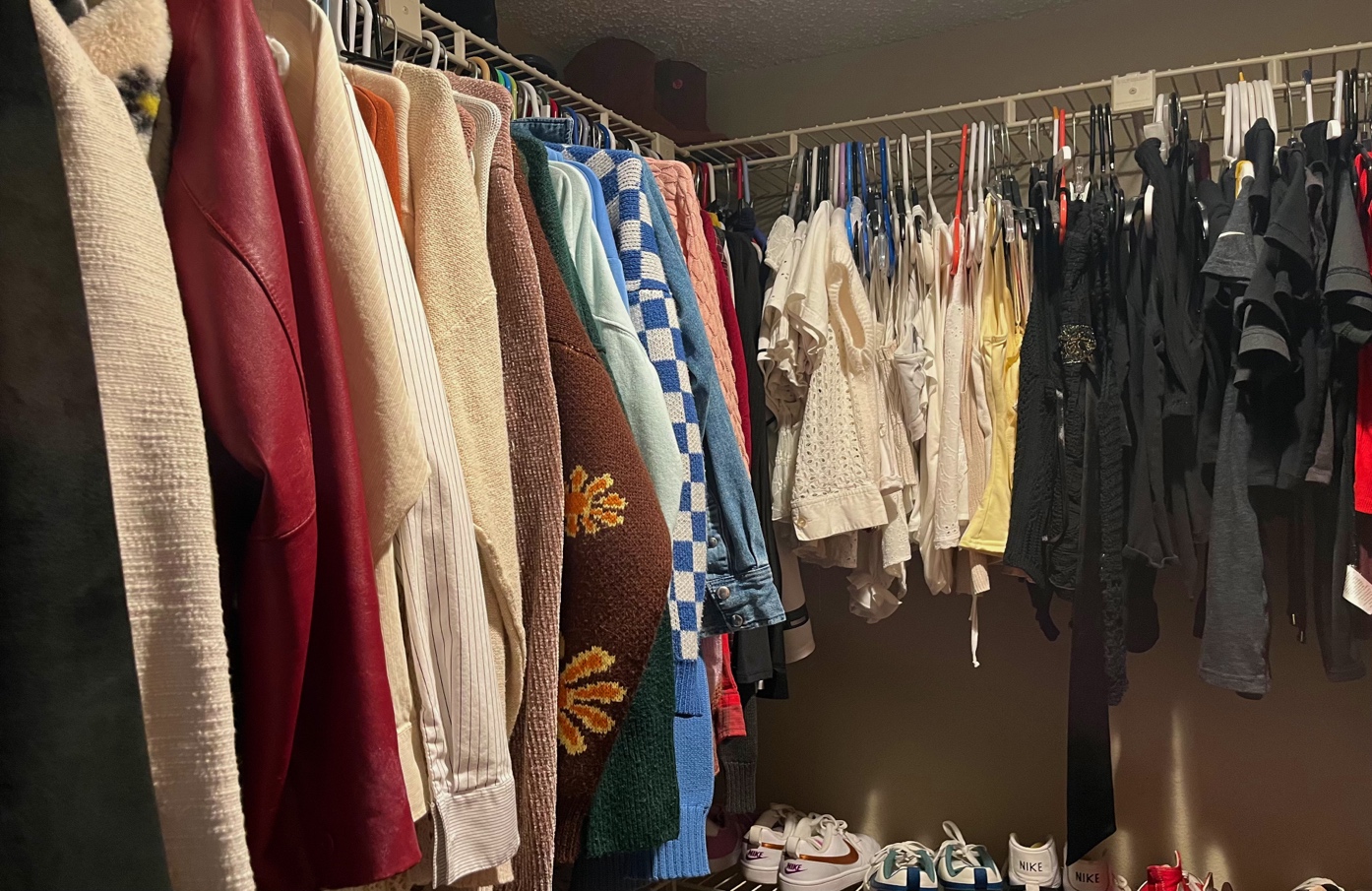
From adaptive clothing to heavily tattooed individuals, Tampa Bay area residents are using fashion as a form of self-expression and identity without having to say a word. Local designers and community members said these choices reflect changes in how people present and share themselves with others.
For some in Tampa Bay, those changes highlight gaps in the fashion industry, specifically when it comes to meeting a wider range of needs. Local designers are stepping in to fill that void.
Lady Natasha Fines founded the self-named adaptive clothing brand, Lady Fines, which was inspired after watching her aunt go through cancer treatment. As her aunt’s health declined, getting dressed became more difficult, revealing a larger issue within the industry.
“I realized there was such a lack of inclusivity and big corporate companies just don’t see value in it, but I saw a lot of value in it,” Fines said. “I knew that I needed to do it myself.”
Her aunt, whom she described as her “fashion guru,” had always used clothing to express herself, but with her condition, it meant more hospital gowns. Fines said that the change not only affected her aunt’s comfort, but also her identity.
“Even when she was going through chemotherapy, she still wanted to show her identity and be who she has always been,” Fines said. “Those hospital gowns are uncomfortable and not cute at all, so that’s why I stepped in.”
That exposure pushed her to create a clothing line that prioritizes accessibility and individuality. She designs her brand with the wearer’s needs as the priority, which she said is often overlooked in mainstream fashion.
“I start with the disability and needs first, then I move on to the fashion,” Fines said. “Function always comes first, then the fun part of what is trending.”
Fines does acknowledge the progress that fashion inclusivity is making, but she believes it has been slow to adapt and fails to truly understand the communities they claim to serve.
“I would say the industry is becoming inclusive, but at a very slow rate,” Fines said. “True inclusivity is showing what’s out there, the real humans and real beauty.”
Fashion experts said that aside from functionality, clothing has played a long, significant role in shaping identity. Designers and community members said that what people wear can reflect mood, culture and values.
Jennifer Fairbanks, a graduate of the Fashion Institute of Technology who has worked in New York and San Francisco, now runs a sewing studio in Pinellas County, Sew Pinellas. The studio offers opportunities for people of all ages to learn the ins and outs of sewing and building patterns. For Fairbanks, clothing has always been a powerful tool for self-expression.
“You can show who you truly are without even saying anything,” Fairbanks said. “How else do you present yourself to the world?”
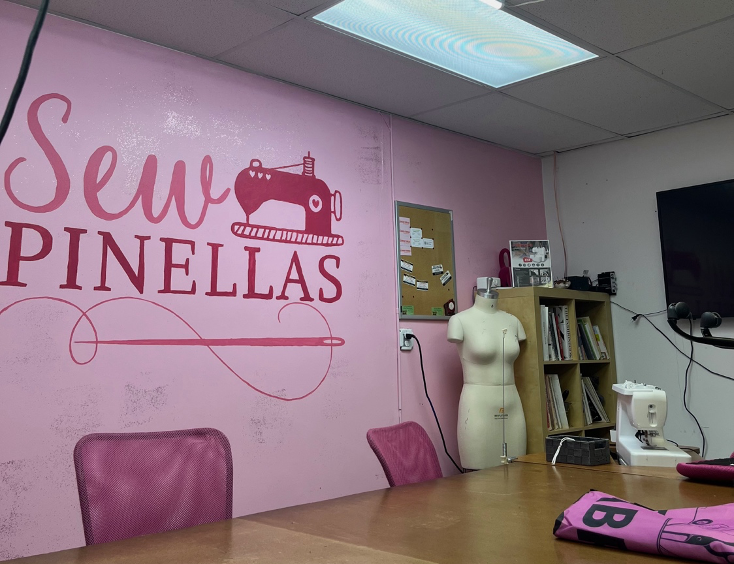
(Photo by Kaitlyn Kerby)
With her extensive involvement in the fashion world, she gained most of her knowledge, not from the fashion institute, but from her own home as a young girl. She built her own sewing patterns and found ways to incorporate her quirkiness into her private school.
“I had to wear a uniform, so I would do weird, funky things within the dress code. I’d sew two pairs of tights together, so I had different colors on each leg, and that was my self-expression,” Fairbanks said.
Fairbanks said her early style experiments shaped her understanding of fashion as more than just clothing. It taught her that style can be a flexible form of individuality, allowing people to communicate creatively, whether through what they wear or other visual choices.
“We have tattoos that help explain who we are, but clothing can do that too. We can’t really change our tattoos, but you can change your clothes, and I think that’s pretty great,” Fairbanks said.
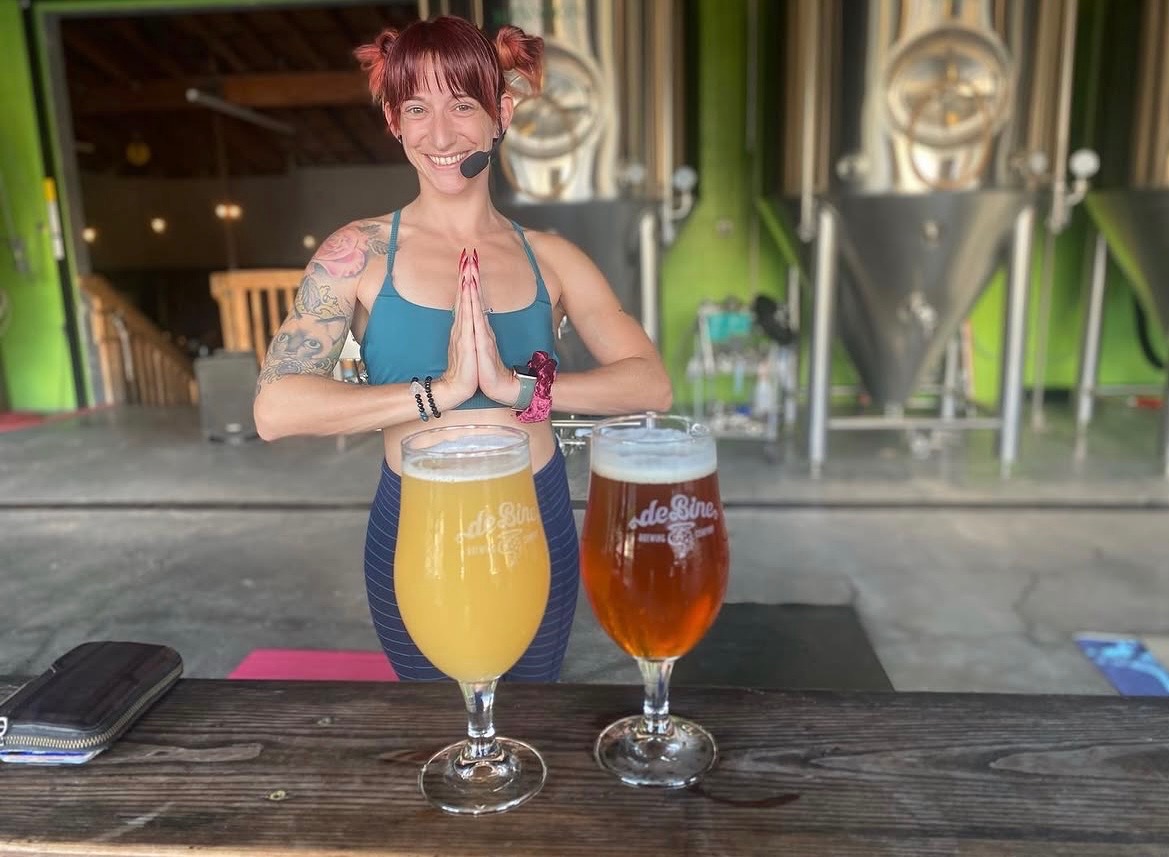
Some Tampa Bay locals prefer a more permanent form of self-expression. For 29-year-old local Hunter Leasure, tattoos have been a way of creating and expressing her identity since her teen years. Over time, her collection has grown into a representation of her personality and experiences.
“I got my first tattoo when I was like 15 or 16. It says, ‘Pain is inevitable. Suffering is an option,’” Leasure said. “It was an inspirational quote to keep going, and that you’re going to suffer in life, you just have to get through it, and that was something I resonated with then and now.”
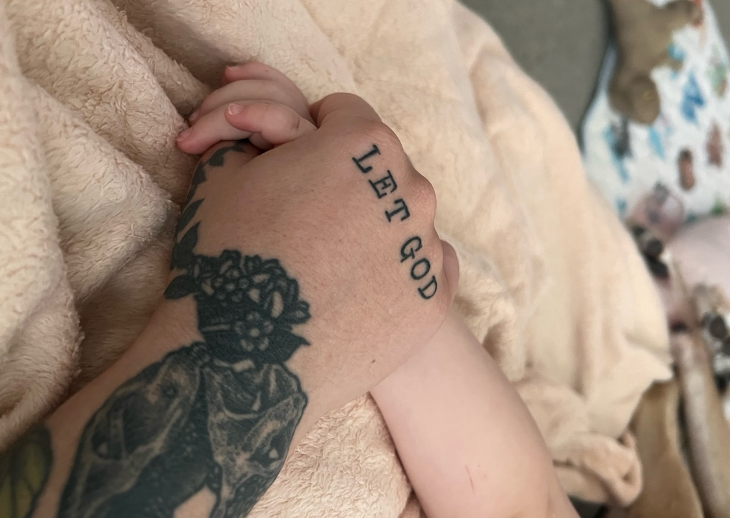
Over time, her tattoos have become less about singular meanings and more about moments and creativity. She said she views her body as a canvas that reflects herself through art.
Leasure said her tattoos represent different points in her life. Local designers and community members say fashion and personal style can function in a similar way, serving as a form of expression.
“I think my tattoos reflect different versions of myself, like a timeline of where I was in life and who I was in life. It’s a story,” Leasure said.