By Jaden Taylor
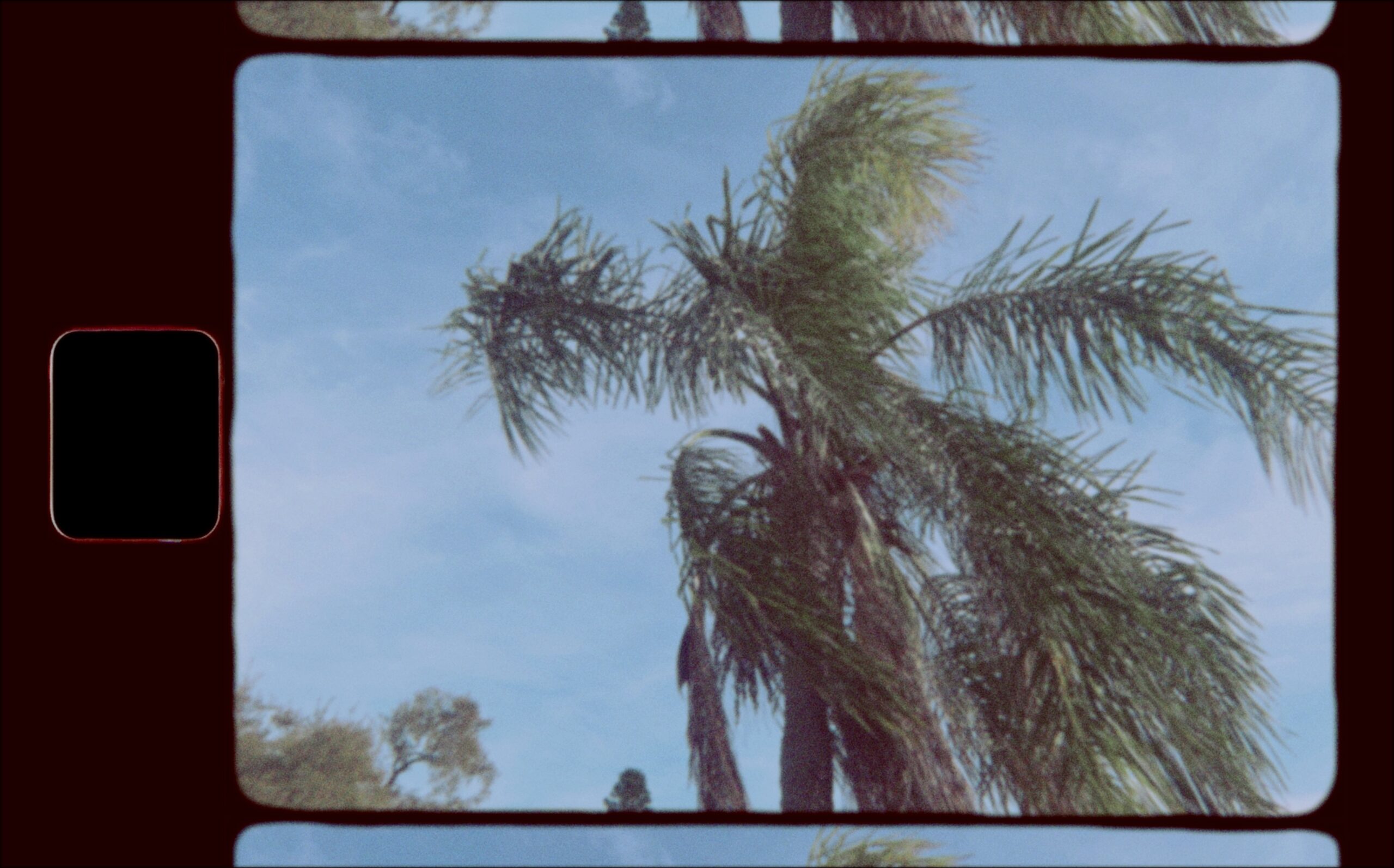
Since coastal Florida became a state in 1845, it has been well-known for its consistent climate and sites, with many people aiming to capture the essence of daily life there. Some individuals fulfill their passions by representing Florida, while others are inspired by these projects to move there.
Filmmaker and born and raised native to the St. Petersburg area, Penny Lane Toomey, bases her projects around the nostalgia of Old Florida: Notable landmarks, gorgeous beaches and historic architecture.
“I love the beach-city vibe, and I feel like the community is not just accepting of artists, but truly welcoming,” Toomey said. “Showcasing the Florida I grew up with is so important to me.”
When Toomey found out that there is currently no Florida statewide incentive program to fund filmmaking, and only a select few counties that offer incentives, she was relieved that “Pinellas is ahead of the curve.”
Plans for the prospering economy within the film industry in St. Petersburg for 2026 are linked to St. Petersburg-Clearwater Film Commission’s newest film commissioner, Dave Caputo. His top priorities in the role are naming the area a major film destination, attracting tourists and improving financial outlets for filmmaking.
“There are a lot of awesome parts of our county that go unknown,” Caputo said. “It’s not always obvious to travelers or vacationers when they’re thinking about where they want to go on vacation, to think beyond the beach.”
The film incentive program that Caputo runs has a current budget of $1.025 million and aims to support about 15 projects this year in the St. Petersburg area. Not only will this benefit local filmmakers, but it will also generate income for local businesses and provide awareness of the area, making it a known film location.
“Having beaches plus the diversity of historical areas, plus metropolitan areas plus industrial and warehouse areas all in a very concentrated locale is very advantageous to production companies,” Caputo said. “It’s a cost advantage for productions as well.”
Stephen Pratt, University of Central Florida professor and academic researcher with an interest in film tourism, understands how films can bring attention toward certain destinations. In fact, he began his research as an individual interested in travelling to where specific movies were filmed.
“I would categorize myself very much as a film tourist,” Pratt said. “I just loved watching films all the time.”
He introduced the idea that films can highlight lesser-known locations, prompt academic research, and create an association between the film and the location. Pratt used the romancefilm “Captain Corelli’s Mandolin” in Italy as a positive example and the horror movie “Hostile” in Brazil as a negative example of the association.
“This is a little bit of out of control of the destination, or the hotel or the tourism operations,” Pratt said. “They don’t always have the same association.”
Pratt explained how films with favorable storylines and relatable characters usually draw higher amounts of tourism to the location of the film. He said that a majority of films typically portray the destination in a respectable way.
“For example, think about ‘Mamma Mia’ and Greece… people know the Greek islands,” Pratt said. “People identify with the characters, with a good heartfelt story.”
Another factor contributing to the consumer’s relationship to the films is the length. Pratt discussed how increased tourism in the film location can be produced by series and trilogy films. As the viewers grow more attached to the characters and the plot, they seek out the location in-person and take photos to commemorate their favorite piece of media.
“It tends to be repeat series; For example, ‘Game of Thrones,” ‘Harry Potter,’” Pratt said. “Those series tend to have the reinforcements of giving the audience a chance to identify the characters with the place.”
Caputo confirmed the relevance of this statistic by mentioning the current state of continuous series productions in the St. Petersburg area.
“We allowed production companies to apply for incentives for their total production costs as long as they spend a minimum of $100,000 within the county,” Caputo said. “That allows us to incentivize episodic television shows and series.”
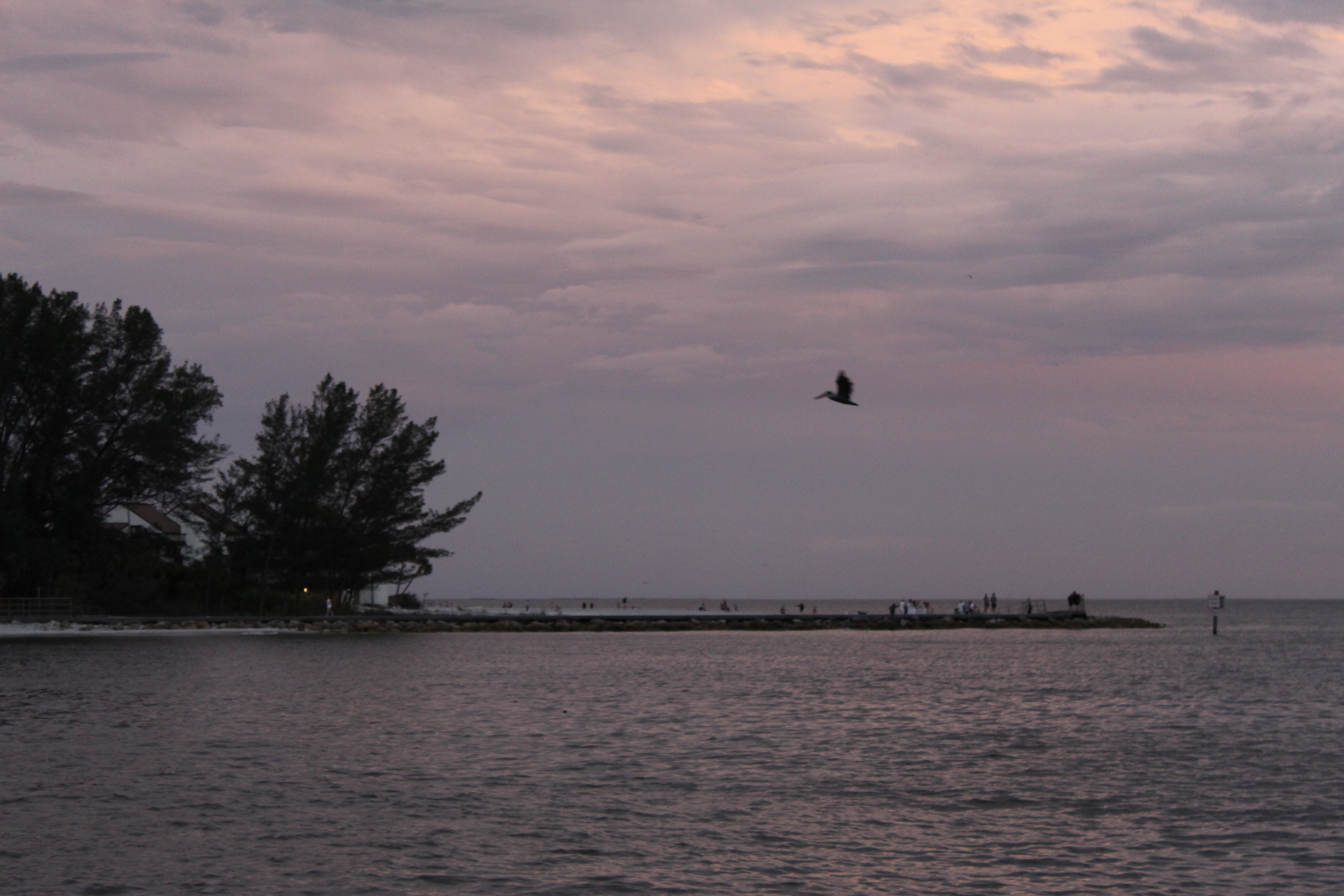
The St. Petersburg area provides views that will be incorporated into upcoming films and even series, making the location recognizable, and potentially harnessing the attention of travelers.
While many tourists already come to the area to see the novelty beaches and city life, films could give a level of representation in the media.
Along with the highly anticipated improvements to the economy in the film industry, as well as positive marketing strategies for the area, there are some inevitable minor concerns within the local community.
“It is such a double-edged sword,” Toomey said. “It is great for tourism, great for filmmakers, but is it really great for preserving the beauty of Florida?”
As more tourists visit, and may move to the St. Petersburg area, there are implications of potential congestion and changes to the environment. The views that people initially come to see could be damaged in the process, placing strain on the area.
“I hope that when the Florida film industry becomes as big as California and Atlanta, Florida commissioners will try their best to protect these Florida landmarks and their beauty, not just monopolize on the revenue,” Toomey said.
Pratt explained how while films can produce economic benefits, there can be some overcrowding issues that can dissatisfy the locals. He uses the popular film series “Twilight” as an example, saying that fans went to the house in the film very frequently, and the homeowners had to put up a sign for them to protect their property.
“For the most part it’s positive, because it brings in tourists, which usually comes with economic activity,” Pratt said. “But sometimes the crowding can affect the daily life in some of these communities.”
As the film commissioner in St. Petersburg, Caputo knows the process in going about starting films near natural landscapes, and how to ensure the protection of them regarding filming on location. He emphasized the detail taken by crews to be environmentally aware when involved in such projects.
“We work closely with all the county parks and the city parks… to make sure that there’s not going to be any impact to the local area, to the local flora, fauna and wildlife,” Caputo said. “We don’t want productions to negatively impact those areas.”
Caputo provided examples of some of the major habitats of native animals film production companies tend to keep their distance from in the area, since they occur every year.
“We have maps that offer restricted areas that no one’s allowed to shoot in or allowed to disturb, especially seasonally,” Caputo said. “When we talk about sea turtle nesting season or some of the shorebird nesting activities.”
Regarding influences from tourists following the films, Caputo added how it will be a positive outcome for the local parks. He focused on the partnership between nature and the community, but also on the improved economic benefits of more visits there, as the landscapes require activity for success.
“You want people to enjoy those preserves,” Caputo said. “The parks at the city and county level are there for the community.”
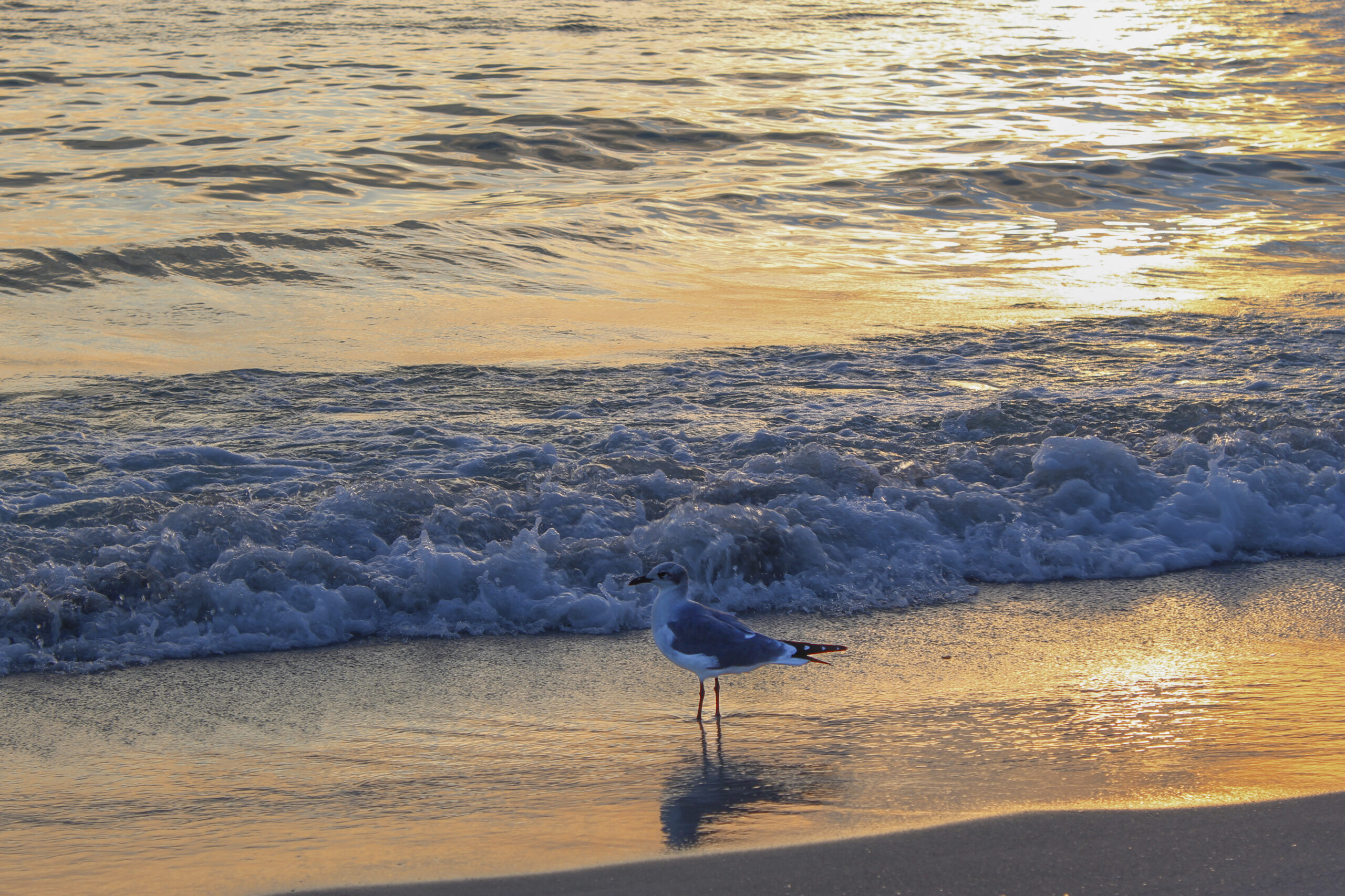
Caputo’s goal was to show off these St. Petersburg environments and views, and he must advocate for protecting them during film productions to do so. Caputo said that his aims for the incentive program have already seen some success since the beginning of the year.
“It’s supposed to draw and attract productions to Pinellas County,” Caputo said. “And we’ve been seeing a lot of success with that in a very very short period of time.”
Through it all, the new film incentive program led by Caputo this year will bring significant impacts on the local film industry and the St. Petersburg community. In doing so, the film commissioner hopes to achieve making the area a major film destination and continues to preserve the surrounding environment throughout the process.
“So many films have iconic locations tied to them,” Toomey said. “And Florida will definitely be making that iconic list soon.”