By Laura Troyer
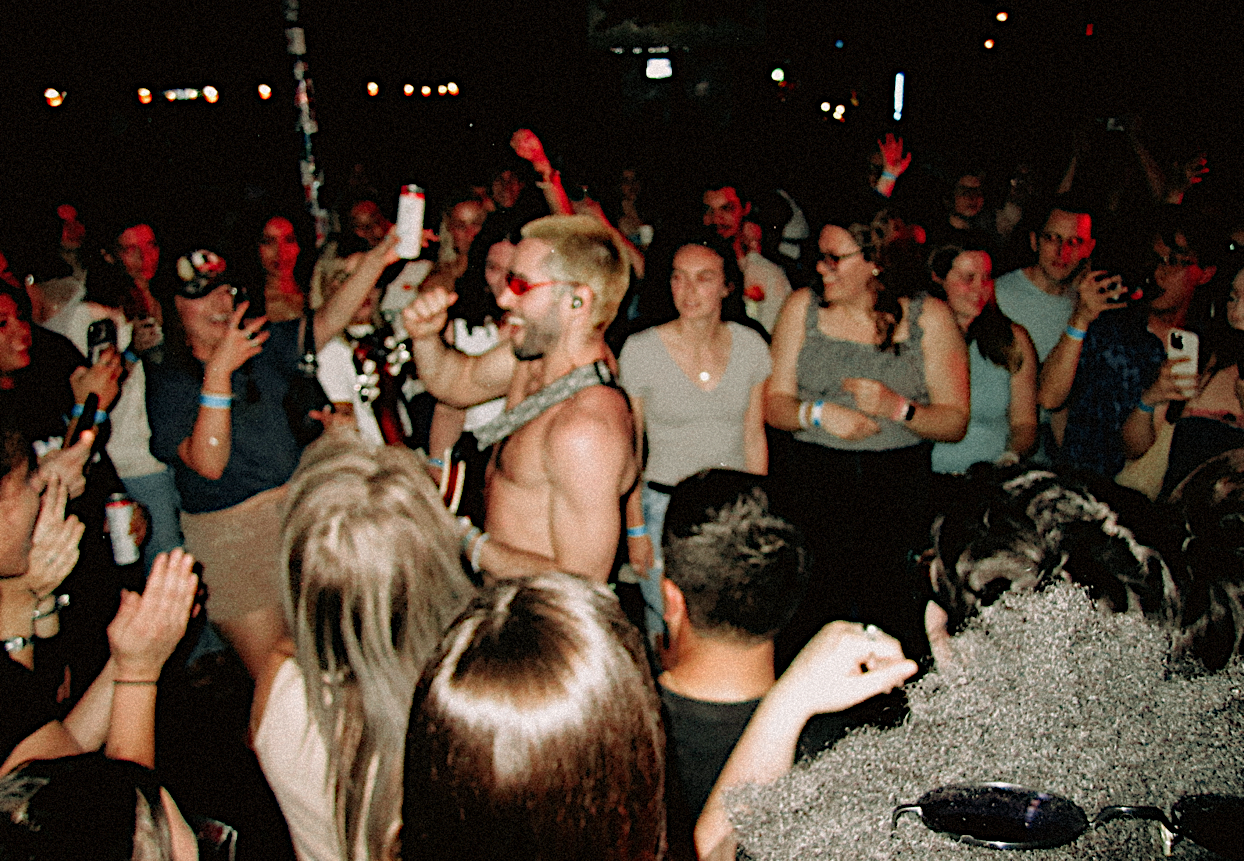
Inside Crowbar, the walls are lined with years of sweat-soaked shows—tour posters, stickers and the kind of wear that only comes from packed rooms and loud nights.
Since its opening in 2006, the independent venue has been a cornerstone of Tampa Bay’s live music scene, acting as a proving ground for local acts and a regular stop for nationally touring artists. Now, as Crowbar prepares to close, Tom DeGeorge, owner of Crowbar, says its final shows mark the end of an era and something larger slipping away.
“I tell people all the time, the industry is upside down. Only the top is making money, and the rest—the venues and artists that actually build the scene—are getting squeezed out,” DeGeorge said. “These spaces are vital. They bring people together, give artists a place to grow, and right now, they’re disappearing because they can’t afford to survive.”
Crowbar’s closure comes as independent venues across the country face a new kind of pressure, shaped not just by the pandemic, but by rising costs, industry consolidation and shifting touring economics that increasingly favor scale over community.
In Florida alone, independent live music venues generate $4.2 billion in state GDP and $7.8 billion in total economic output, supporting more than 52,000 jobs—yet only 35% reported being profitable in 2024, according to the National Independent Venue Association.
“Until you break up the monopolies, until you fix the ticketing legislation, and until you have a city government that takes these types of businesses into consideration, you’re gonna continue to see rooms like this close,” DeGeorge said.
For DeGeorge, Crowbar’s closing follows years of instability that began in 2020, when live music shut down overnight. The venue spent more than a year without concerts, losing close to $1 million in revenue while taking on massive debts. DeGeorge recalled at one point using his liquor license as collateral to keep the venue afloat.
As a leader in the National Independent Venue Association (NIVA), DeGeorge also became part of a national push to secure federal relief through the Save Our Stages Act, a $15 billion effort to keep independent venues alive during the shutdown.
Even when relief programs like the Shuttered Venue Operators Grant were introduced, the process was far from smooth. Technical failures and delays left venue owners across the country, including DeGeorge, unable to access desperately needed funds at critical moments.
“For 15 months, I was waiting for that funding,” DeGeorge said. “In the interim, I had to take personal loans, so all of a sudden you have all this incredible debt that you never had before, and that you really can’t get out of.”
Even after reopening, the challenges didn’t ease. Touring slowed, costs climbed and the margins that once made independent venues viable grew thinner.
“These rooms are great economic drivers, but right now (in 2026) 65% of us are unsustainable,” DeGeorge said.
Bobby Borg, a music business author, educator and former touring musician with more than 30 years of experience in the recording and live music industries, said Crowbar’s story reflects a broader shift in how the industry operates.
As the author of multiple books on the music business and a lecturer at institutions including Berklee College of Music and UCLA, Borg focuses on how artists and venues navigate an increasingly complex economic landscape.
“The club and bar scene is so instrumental to the bigger industry,” Borg said. “If we are talking live music ecosystem, it’s like the nucleus—it’s where it all starts.”
He pointed to the growing dominance of companies like Live Nation and its control over ticketing through Ticketmaster as a major factor reshaping the industry. Live Nation not only promotes tours but also owns venues and ticketing platforms, creating a vertically integrated system that can prioritize large-scale shows while making it harder for independent venues to compete.
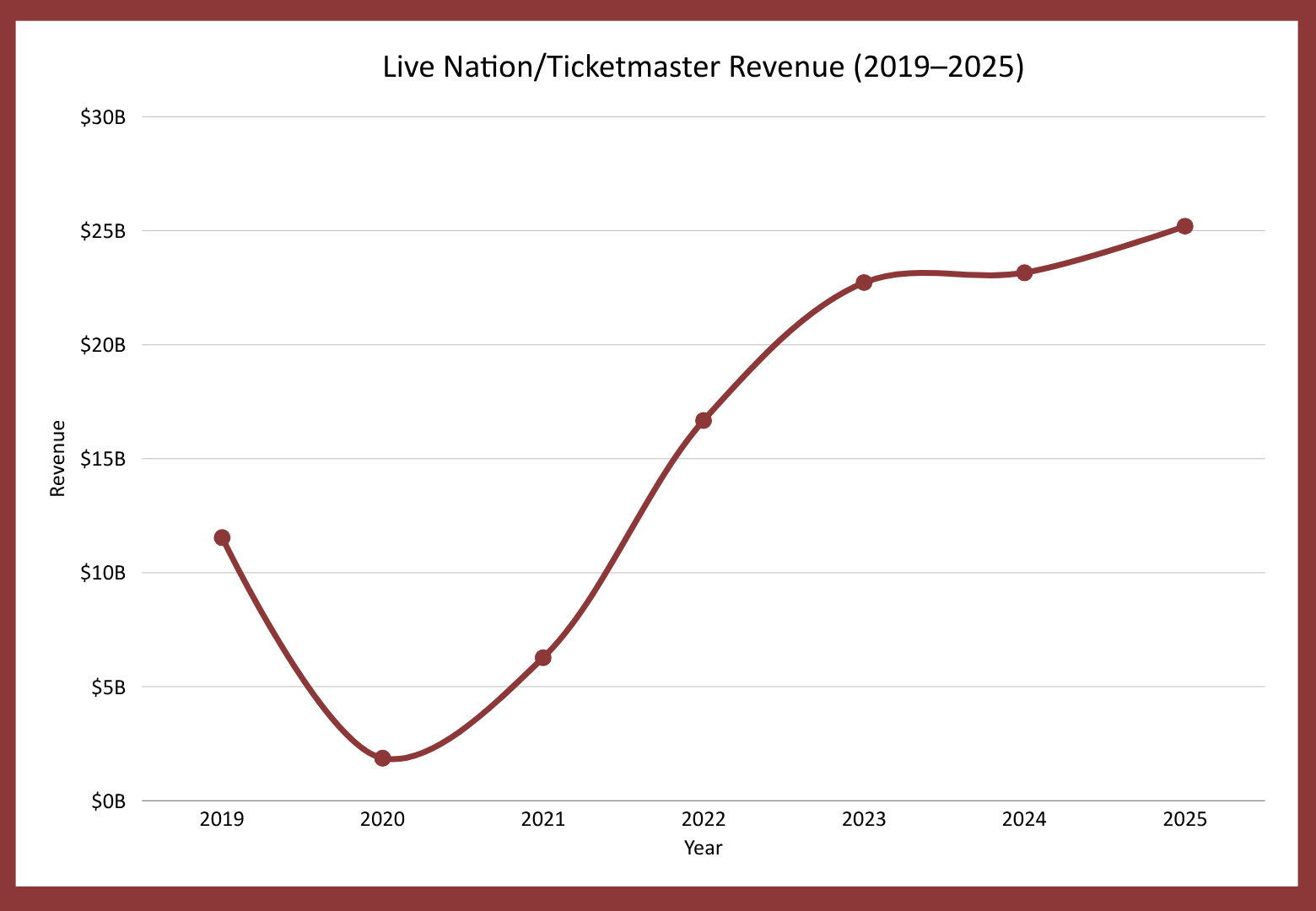
A lot of times these big agencies own venues across the United States and they are committed to using one ticket vendor, which then forces you to have to use theirs,” Borg said. “There’s issues that need to be resolved but everyone just keeps on going and buying.”
According to the NIVA report, “monopolies” rank among the top operational challenges for independent venues nationwide, alongside rising artist fees, inflation and staffing costs.
For artists, those industry shifts play out on a much smaller, more personal scale. Andres Hernandez of the Florida indie rock band Rohna said venues like Crowbar are where bands actually build their identity.
“That’s where people are able to develop their style, develop their sound… figure out how to engage with the audience,” Hernandez said. “Having a place like Crowbar where it is like, venue first… It’s really hard to replicate that.”
Rohna has played Crowbar many times, using the venue as a launching point while opening for larger acts and appearing on festival lineups. Hernandez said losing spaces like this creates a gap that can’t easily be filled.
“You won’t ever see another Crowbar for a long time,” Hernandez said. “You can’t just build a new place that feels the same way.”
Beyond culture, independent venues anchor local economies. In Florida, live music audiences generated more than $567 million in off-site spending in 2024, supporting nearby restaurants, hotels and other small businesses. Venues like Crowbar have long contributed to that ecosystem in Ybor City, drawing consistent foot traffic and nightlife activity.
But despite that impact, sustainability remains elusive. Only about a third of venues are profitable, even as many operate year-round and host shows multiple nights a week. For DeGeorge, that disconnect, between cultural value and financial reality, has defined the past few years.
“People see the big shows and think the industry is fine,” DeGeorge said. “But the middle, the places where artists actually come up, that’s what’s disappearing.”