By Breanna Burrell
On a quiet afternoon, Kristy House sits outside crocheting, forgetting her phone inside as she works through a growing stack of handmade granny squares, each one tied to a book she has finished.
“I don’t want to be on my phone so much,” House said. “When I am crocheting, I’m less stressed. I’m not feeling my heart racing as much.”
In St. Petersburg, people like House are resisting the constant urge to get lost in screens and turning to analog hobbies, such as reading, crocheting, and journaling, to regain focus and creativity.
Often referred to as “going analog,” the change describes a growing effort to replace screen- based habits with physical, hands-on activities. The movement came as concerns about digital fatigue increased, with research showing that constant media consumption can overstimulate the brain’s reward system and contribute to stress, distraction and mental exhaustion. In response, many people are seeking slower, more intentional ways to spend their time.
Thomas Hallock, an English professor at the University of South Florida St. Petersburg, said that he’s noticed a steep decline in attention spans in his classroom.
“We’ve become a little bit addicted to our dopamine,” Hallock said. “The immediate pleasure of an email ping or social media.”
Hallock said he has adjusted his curriculum over time, assigning less reading than in previous years because students struggled to stay engaged with longer texts.
“Students cannot sit down and plow through a book like they did in the past,” he said.
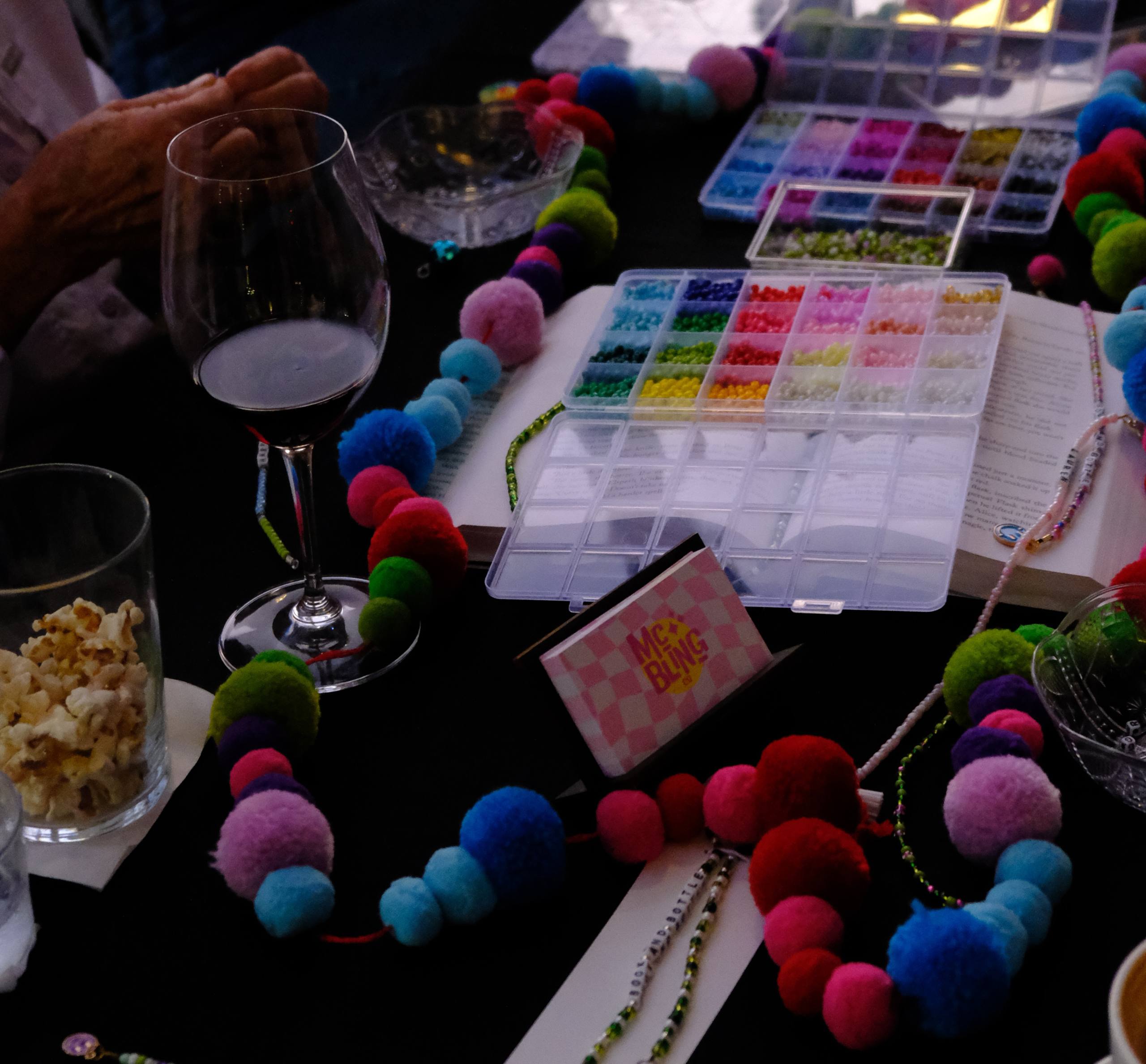
For House, an art teacher at Perkins Elementary and a freelance illustrator, stepping away from screens became a personal goal. She began pairing each book she read with a crocheted granny square, combining two analog practices into a single routine.
“It was the best thing ever,” House said. “Sometimes you start a project, and you get burnt out, but combining the two kept me going.”
The repetitive nature of crocheting helped her stay present, even when her phone was nearby.
“If I have an audiobook, my phone is close, but I have no interest in picking it up,” she said.
House said she also noticed a shift in how younger students approached creativity, especially with the rise of AI tools.
“I worry they feel like they don’t have to try something,” she said. “They can just go to AI and have it make it for them.”
Nia Mitchell, owner of the small St. Pete business, Daisy and Honey Studios, said she experienced a similar tension between digital convenience and creative burnout. As a small business owner, much of her work depends on screens and digital engagement, but she’s found herself needing distance from them.
“Instant gratification is sucking the life out of us,” Mitchell said. “We have no creativity, no imagination and it’s stagnating people.”
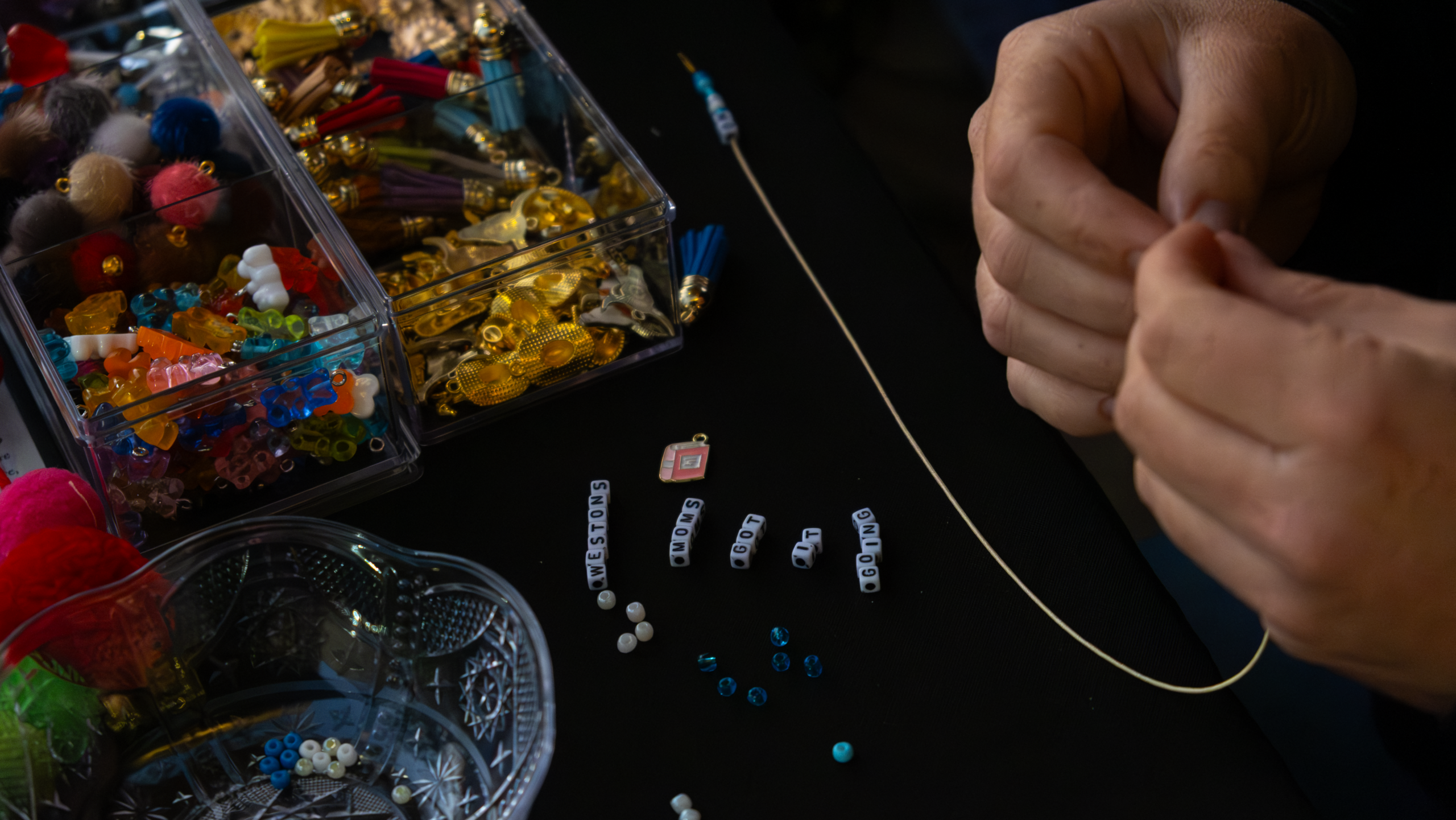
Mitchell said she began intentionally incorporating offline activities into her routine, including painting, embroidery, puzzle books, and her favorite, sudoku.
“I’ve been trying to do anything away from a screen,” she said.
At local markets, she said, customers often expressed similar concerns, gravitating more towards tangible forms of media.
“People are doing more physical media, records, CDs, notebooks,” Mitchell said. “I feel like there’s a spectrum. Some people are going analog, and others are all-in on AI.”
She added that younger consumers, specifically Gen Z, appeared to be driving much of the intentionality.
“I feel like my demographic is reflecting and wanting to be more offline,” Mitchell said.
While some attempted to significantly reduce screen time, or even cut it all together, others focused on setting boundaries by replacing passive scrolling with more thoughtful activities.
Hallock said that the desire to slow down was part of a combative response to constant digital stimulation. Still, he noted that analog tools, like the typewriter, offered something digital
platforms could not.
“You can only do one thing with a typewriter,” Hallock said. “You can’t check your email or social media.
Going “analog” may be a trending subject now, but people participating in hands-on activities are reaping the benefits.
“Put this down. Pick up something else,” House said.