By Camila Hall
St. Petersburg has been named Florida’s best city to live in, but one non-profit leader said that title means little if it doesn’t include the city’s foster youth.
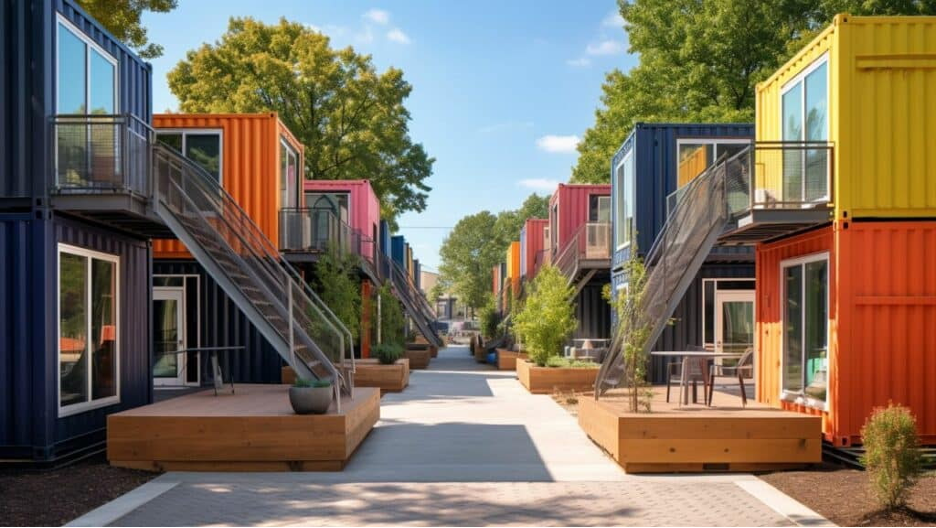
Christopher Warren, Spring Zone St. Pete founder and executive director, is in the beginning stages of launching the Ujima Transitional Housing Initiative from the ground up. With plans to develop affordable housing units on church properties, local foster youth who have aged out of the system will be set up for success in their transition to adulthood.
“What we’re doing is actually helping to create a bridge from that to that point where they would be able to engage on an academic level, financial level, maturity level with buying their own two, three, four-bedroom home,” Warren said.
Behind the scenes of it all is the “Yes in God’s Backyard” ordinance approved by the St. Petersburg City Council on Dec. 11, 2025. As the leading city in Florida to approve of this provision, it empowers the city to work with local churches to create opportunities for affordable housing developments.
Working alongside local churches Mt. Zion Primitive Baptist Church and Rock of Jesus Missionary Baptist Church, Warren emphasized their enthusiasm in assisting in the initiative.
“They’re really anxious to start engaging the young people and helping them out and welcoming them into the neighborhood and their church community,” Warren said.
The plan currently seeks to aid 40 young adults, with 20 units at each church site. This layout is meant to replicate the living experience of a college student, as the young adults will be living with roommates and a four-year lease.
“They were like, ‘uh, Dr. Warren, we’re not ready to live alone. We’ve lived with four or five, six people in the room, our whole lives.’ I was like, ah, good point,” Warren said. “So, we extend on that college type of situation that we’re trying to build.”
The mission doesn’t end here; Warren still dreams of expanding the initiative across the area. His goal is to get ahead of youth homelessness in a decade by building at least 10 housing developments in 50 different churches in Pinellas County.
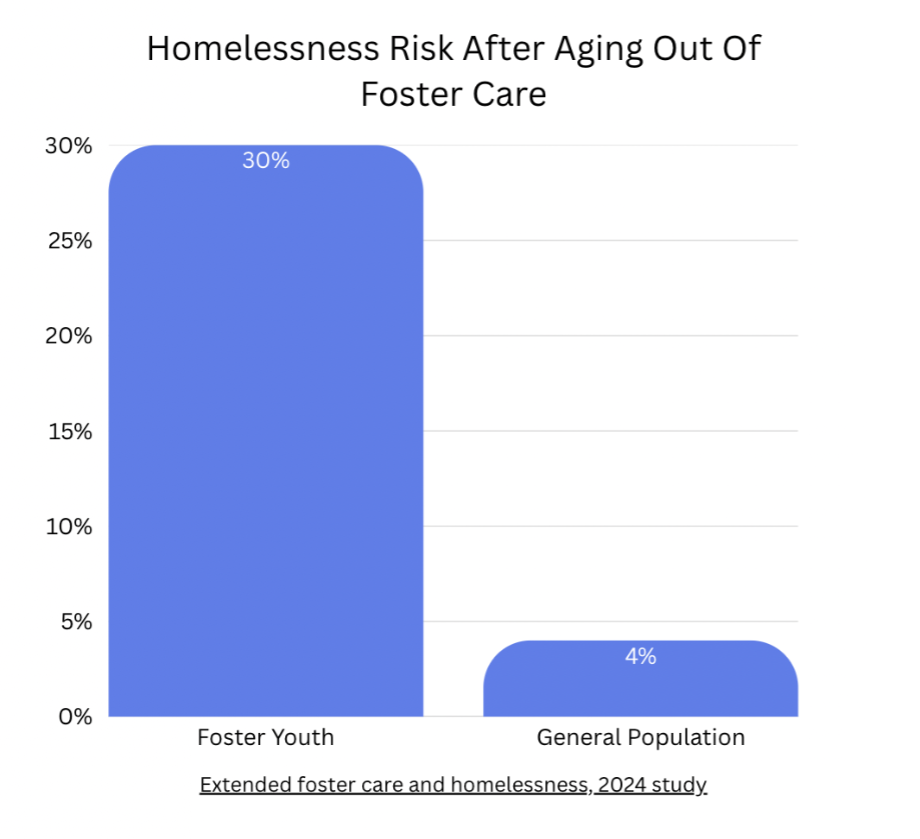
According to a 2024 study, between 22% and 30% of former foster youth experience homelessness. These are large rates, especially when compared to the 4% risk for the general population.
Warren noted that the city’s decline in extracurricular and academic enrichment programs sparked his nonprofit’s mission.
“When we first started, I noticed that we did not have that robust and sustained network of youth development programs,” Warren said. “Youth were definitely engaged at a higher level with more consistency and care. When I look at the work that we do now, the same thing for these foster kids, what is there for them?”
David Thompson, St. Petersburg director of government affairs, outlined how important Mayor Ken Welch’s presence was in conversations about “Yes in God’s Backyard” at the state level. In pushing for the bill to be optional for municipalities to participate in, Welch took that first step towards real solutions to the housing affordability crisis.
“Mayor Welch talks a lot about how there is no secret about how amazing St. Pete is. And if you refuse to build any new housing, the only people that are going to be able to live here are wealthy people moving in,” Thompson said. “We have to build space for our neighbors to stay here. We’re preserving a space where people who have lived here their entire lives can continue to be part of the community.”
Though concerns may be raised about the difficulties that churches may face by not being professionals in housing developments, Thompson views this bill as just the initial bridge between faith organizations and the resources they need to accomplish their mission.
“This law is kind of the first step of the very technical piece of that. But right now, one of our city departments is collecting proposals for support to help churches and developers connect and go through that process,” Thompson said.
Jainee-Feliz Cabrera, a local real estate agent heavily involved in the initiative, shared her experience with the foster system as someone who grew up fostering children and eventually adopting two brothers.
“I’ve seen so many kids come in and out, it’s a hard situation, but I really enjoyed what we did, because we gave them as much stability as possible,” Cabrera said. “They just expressed their gratitude for being with us because not a lot of these homes provided the basic needs that a kid should get.”
Her experience has informed a lot of the work she does now as a real estate agent, such as acknowledging the struggles that come with entering adulthood with no guidance or support.
“Houses are expensive, especially here. If they want to stay here in St. Pete, these homes, for the most part, are out of a lot of young people’s price ranges,” Cabrera said. “You need to show stable income, stable wages, and what a lot of these younger people are facing issues with are getting stable careers.”
Cabrera emphasized the importance of the services that will be offered alongside just the housing. Through career-building and life skills courses, the goal is to get these youth connected with apprenticeships to gain the skills they need during their transition into adulthood.

Linda Fisher, executive planner for Forward Pinellas specializing in long-range planning, highlighted where the initiative aligns with the county’s affordable housing efforts.
“This would be what we’d call supportive housing, and that is definitely an important piece of the continuum of housing needs that we need to fill,” Fisher said.
Fisher outlines the importance of considering the recent updates that have been made to the “Yes in God’s Backyard” bill. After passing a bill this year to make this ordinance mandatory rather than voluntary on the part of local governments, it’s going to be incorporated into the Live Local Act.
“Live local is kind of a double-edged sword because it does absolutely create more developments that include affordable housing. But the requirement is only 40% of units have to be affordable, but they can go up to 120% of annual median income, which is basically the lower end of market rate,” Fisher said. “This legislation is going to allow other things to come onto church land that we might not really want to actively subsidize.”
Warren’s extensive background in case management, education, pipeline development and more has prepared him to handle a mission like this one. Despite this, he highlights the importance of working with these youth that has taught him something the textbooks could never do.
“You have to actually work with them in order to see the disconnect between what people think is out there and what these young people actually receive,” Warren said.
Warren emphasized the importance of this issue to the larger St. Petersburg community, and creating that bridge to integrate these youth back in.
“To know that they see us not seeing them—the time for that is done. They need to see that these are just children. These are our sons, our daughters, our nieces, our nephews,” Warren said. “Simply because they don’t have their parents to guide and protect them doesn’t mean they’re not deserving of guidance and protection.”