By Carolina Nose Rabboni
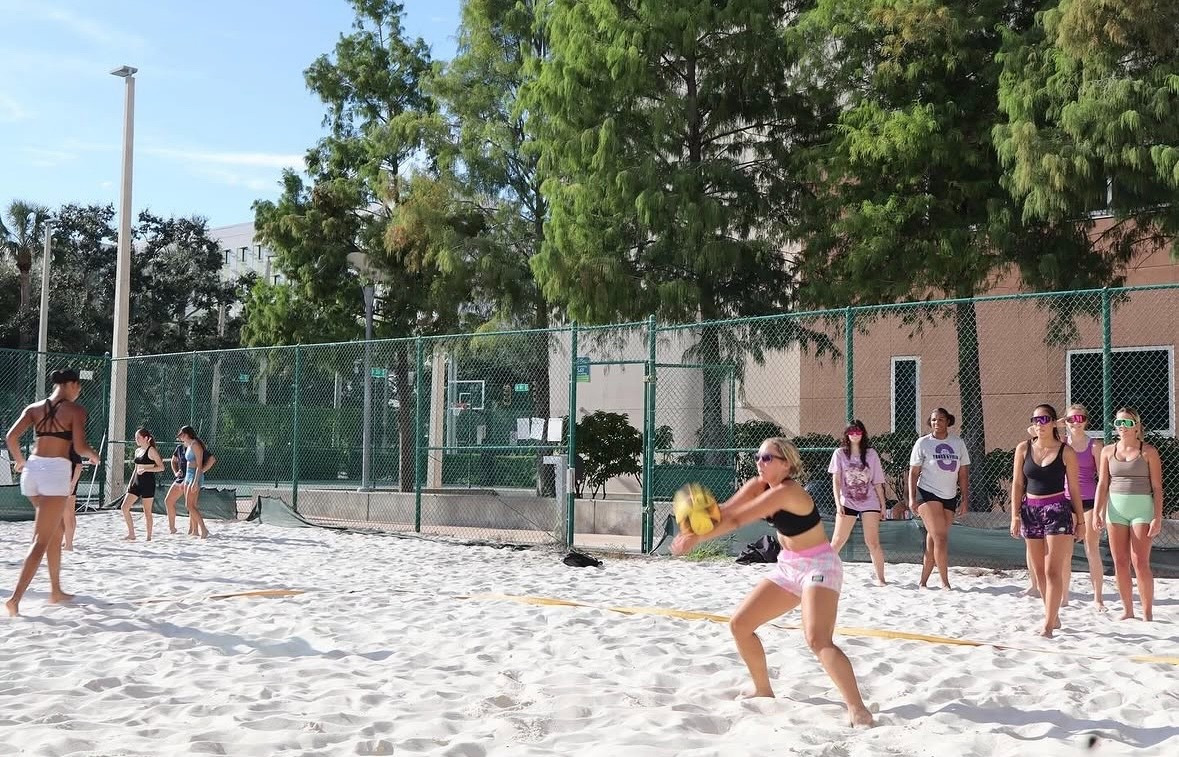
The sun begins to set over the rec courts, a whistle blows and just like that, the beach volleyball match begins. Teammates cheer each other on and strangers quickly become friends as they join and leave the game. There are no packed stadiums or school mascots in sight, but the energy is palpable. At the University of South Florida’s St. Petersburg (USFSP) campus, moments like this are where school spirit quietly takes root.
Although the USF Tampa Bulls represent the university in Division I of the National Collegiate Athletic Association (NCAA), students at the St. Petersburg campus have developed a different relationship with sports and college spirit. While USF St. Petersburg is home to a competitive sailing team, the campus lacks the kind of high-visibility, mainstream varsity sports that typically define college athletics.
Many students turn to intramural leagues and club teams as their primary means of fostering a sense of community. Even though these activities grow increasingly popular on campus, will the absence of a traditional athletic presence affect their connection to the broader university identity?
“This is where we actually feel connected to campus,” Peighton Wadsworth, a senior and president of the USFSP beach volleyball club, said. “We may not have the (regular) varsity teams, but being out here, competing and having a great time with friends, that’s our version of school spirit.”
Carolina Nose Rabboni)
Just like the USF Tampa campus, many universities across the country are committed to advancing athletics not only out of a passion for sports, but also because of the connections these sports foster among students and alumni, increasing the sense of belonging they instill in the university community as a whole.
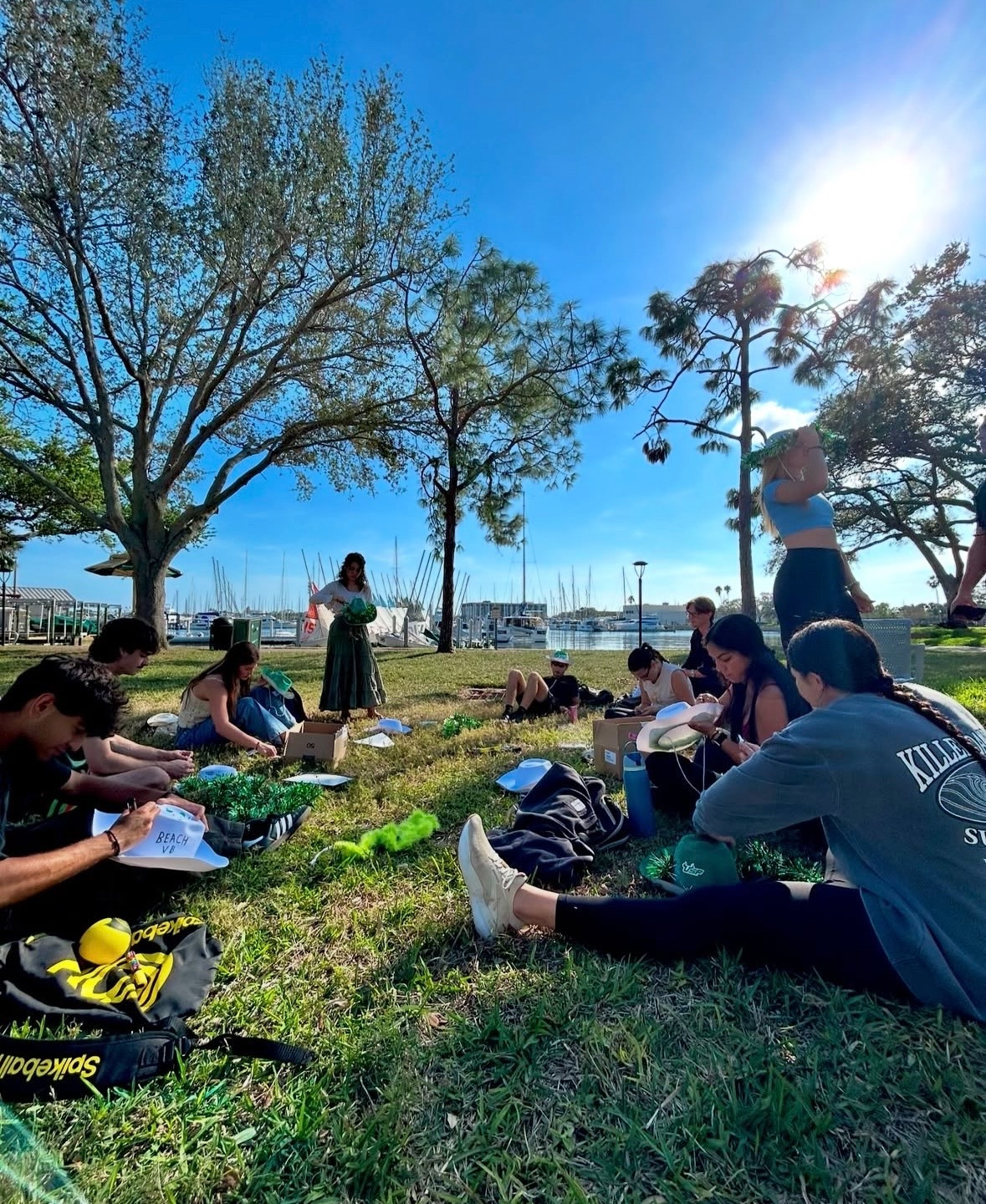
of South Florida St. Petersburg. (Photo courtesy of Molly Vought)
According to EdCircuit, this spirit of teamwork even extends into the classroom, encouraging athletes to stay focused on their studies to ensure success both on and off the court. But is such a large-scale competitive movement really necessary to foster this sense of community?
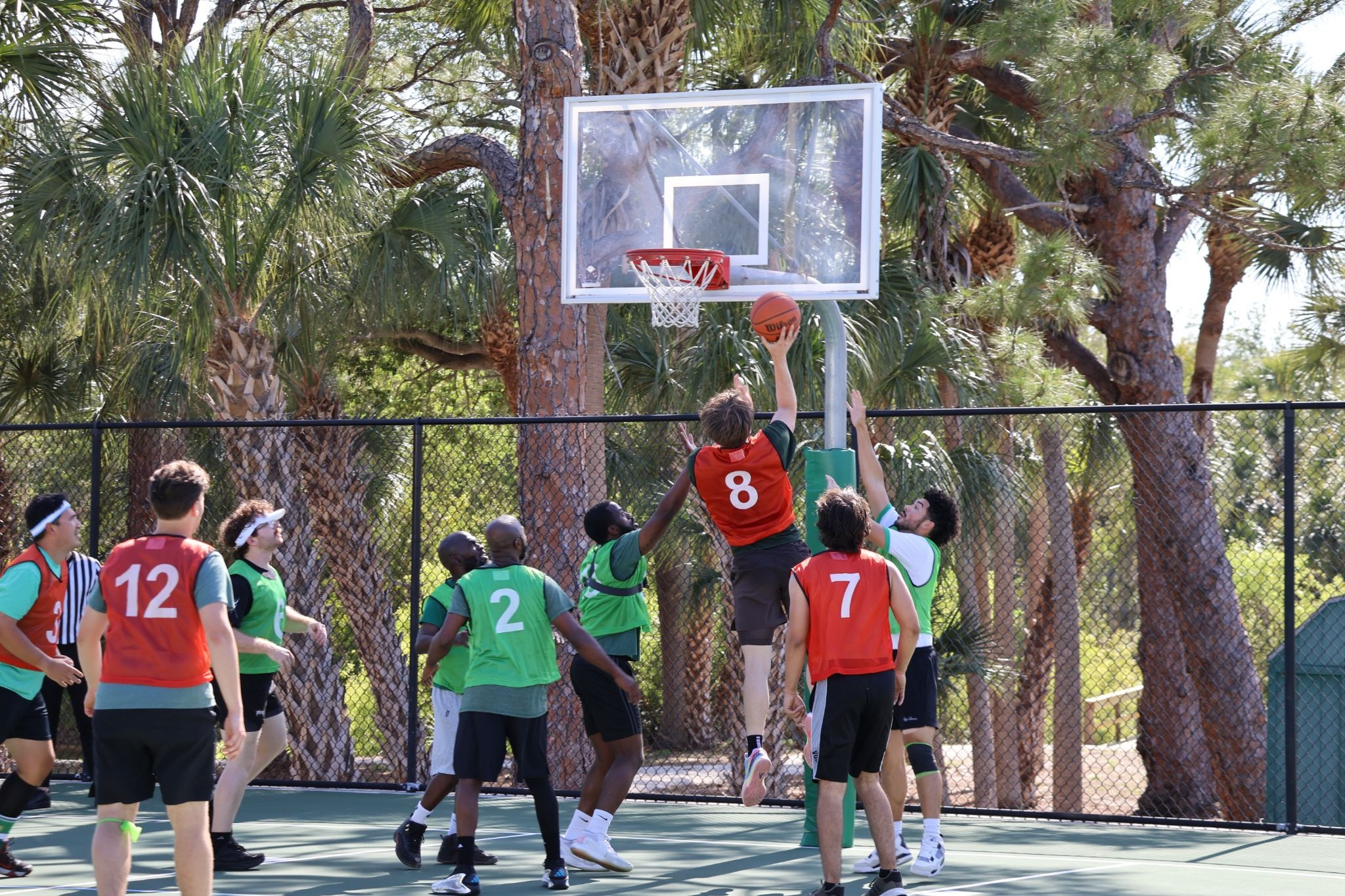
Nuri Troy, the Sports Program Coordinator at the USFSP and the organizer of the campus’s intramural programs, said these activities play a central role in student engagement. Having a master’s degree in sports and fitness administration, Troy has also worked as a graduate assistant in competitive sports and as a referee for the National Federation of State High School Associations.
She explained that without widely accessible, traditional varsity sports, intramurals have become one of the primary ways students interact outside the classroom and build a sense of belonging.
“Intramurals don’t replace the varsity sports, but they give students a way to compete if they don’t want—or are not able—to be on a varsity team,” Troy said.
While intramural sports provide a strong outlet for connection and community, some students still think that the St. Petersburg campus lacks a broader sense of school spirit.
Henrique Aziz, a student at USFSP, said that while smaller, student-led activities help build friendships, they do not fully replace the energy and visibility of traditional college athletics. For these students, the absence of large-scale sporting events creates a feeling that something is missing from the overall campus experience.
“I like the community here, but it still feels like something bigger is missing,” Aziz said.
Although some students have expressed a desire for a stronger athletic presence, the possibility of expanding intercollegiate sports on the St. Petersburg campus — beyond its existing sailing team — remains uncertain. Introducing additional NCAA programs would require significant funding, facilities and institutional support, and university officials have not announced any plans for such an expansion.
Still, opinions remain divided. Some students said expanding sports may strengthen school spirit. Others believe that the smaller, more intimate campus is what makes it unique.
As the university grows, the question remains whether expanding sports would unify the campus or alter the identity that students have already built for themselves.
“Intramurals aren’t always at the forefront of students’ decisions. It’s something they fit into their lives, not build their lives around,” Troy said.