By Kaitlyn Kerby, Gauri Daniels, Gabriel Ballester-Rivera and Irena Mesa
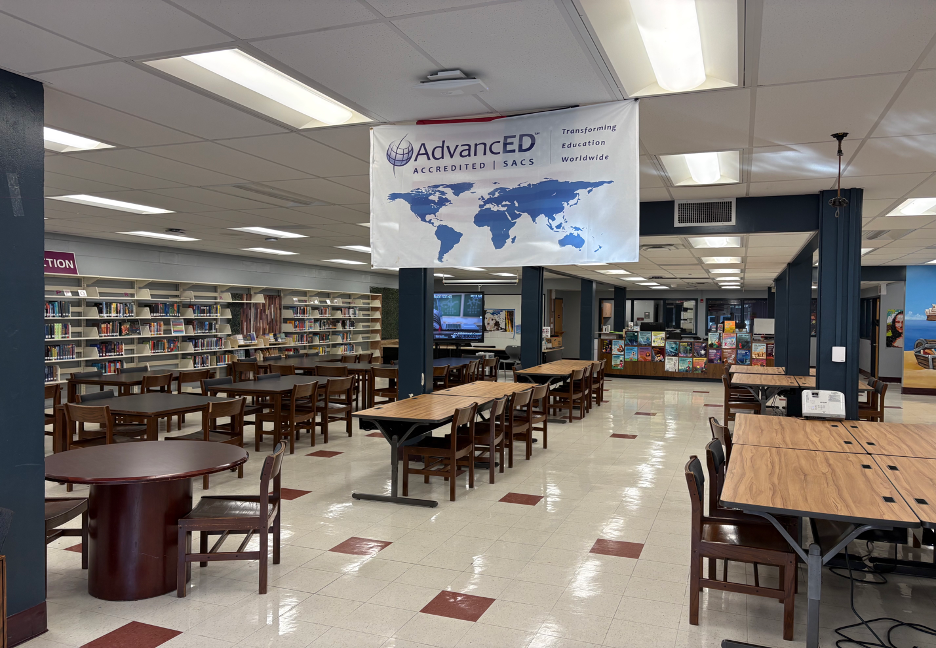
As the list of challenged titles continued to grow, books across Florida were reviewed or removed from classrooms and libraries. The Tampa Bay area became a major focal point in the ongoing debate over censorship and student access to books.
While some educators said certain material may not belong in school libraries, others worried that the changes have limited students’ exposure to diversity and real-life experiences.
For Rachel Belanger, who serves as the media specialist at Buchanan Middle School in Hillsborough County, the book removals were more than just policy changes.
“By limiting those experiences, we’ve also limited their ability to empathize with people from either the same situations that they’re in, or people that they know who are experiencing those things,” Belanger said.
The student population of Buchanan is predominantly Hispanic and African American. Buchanan also has Title I status, as 73% of the students were reported to be low-income. Belanger believes that the shelves of her library should reflect the population of her school.
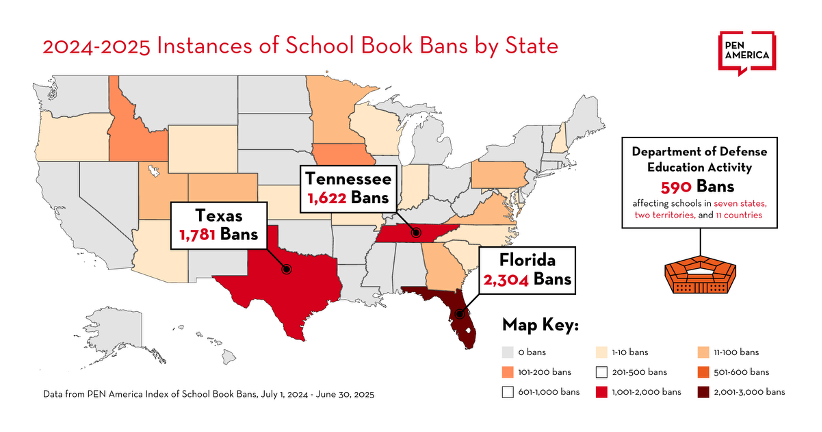
Last summer, the Hillsborough County School District gave Belanger a list of 20 books to review and pull from the shelves. According to Fox 13 News, Hillsborough County ranked first in Florida and second in the country for book bans.
“Across the board, they were books that are associated with specific groups of people and not necessarily the content itself,” Belanger said. “It does impact my school’s population because I have a lot of Black students who don’t necessarily see themselves in a lot of the literature that is common.”
Belanger said that sometimes she would see books that were marked as LGBTQ+ hidden behind other books on the shelves after full classes of students came through the media center.
“They’re aware of [the restrictions], and I think part of it is middle school and the demographic of my school, which is 60% Hispanic. If you look at their background culturally, that’s not something that they’re okay with or search out themselves,” Belanger said. “In a way, it’s also like their way of hiding the opportunity to read those things from other people.”
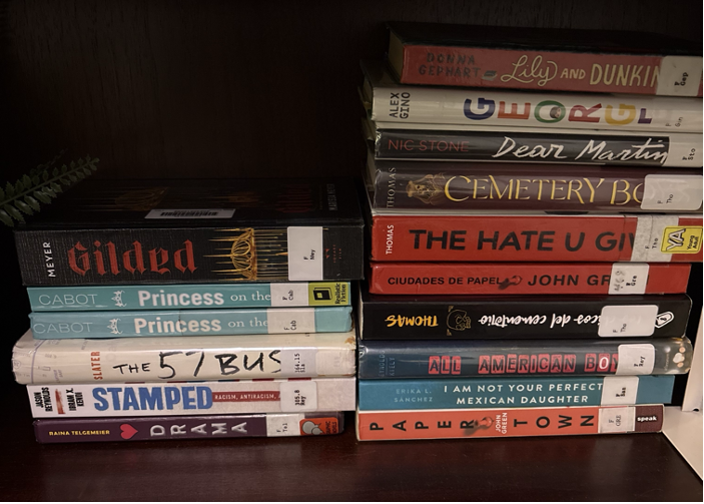
One of the books on that list was “The Hate U Give” by Angie Thomas. The story follows Starr Carter, a 16-year-old African American girl who navigates the murder of her childhood friend, Khalil, who was killed by a white police officer.
“The Hate U Give” frequently made the list of books that were restricted or banned due to its subject and themes, such as racism and police brutality. Alan Harris, the pastor of Belulah Baptist International Church, does not always agree with that reasoning.
“We can understand the need for some of those books to come off, but we felt that all of the books that had made the list shouldn’t have been banned, especially a lot of books that just go with the reality of African American history,” Harris said.
Harris believes the issue extends far beyond individual titles. For him, the pattern of restrictions reflects a broader attempt to limit how Black history and culture are represented and understood by students.
Harris serves as the supervisor of the Freedom Library in partnership with the NAACP, an initiative that gives students access to books that have been restricted or removed from school shelves. The library operates as a community response to recent bans, offering families and young readers access to literature that explores race, identity, and the African American experience.
“Those books that tell the truth about America’s history, which includes the enslavement of African Americans, some of those books are on our shelves, and those books need to be available for individuals to read,” Harris said.
He argued that political leaders in Tallahassee were reshaping historical narratives.
“There has been a strategic and intentional effort from those in Tallahassee who are in political power to rewrite and even intentionally twist our history, so much so, even trying to say that slavery wasn’t a bad thing for African Americans,” Harris said.
In response to concerns about limited representation, local authors are stepping up to ensure young readers see themselves reflected in the stories they read. Kiva Williams, a local children’s book author, emphasized the importance of diversity in children’s literature.
“If you always see something that’s the same, it doesn’t widen your perspective on things, and kids are sponges, so introducing them to things early is a great way to expand their mind, their vocabulary, their creativity and understanding of diversity,” Williams said.
Williams is the author of “Did You Know God Made You Beautiful,” a children’s book focused on self-worth, identity, and embracing differences. She believes early exposure to inclusive literature plays a vital role in shaping how children understand both themselves and others.
“(Without it), students may group up with a limited view of the world around them,” Williams said.
While local authors emphasized representation in children’s literature, educators working directly with diverse students said access to books becomes even more important as students grow older.
Francia Germosen, an ESOL coordinator for Florida Virtual School who is of Venezuelan and Dominican descent, said her perspective was shaped by her own experience as a second language learner.
She believes that when students see themselves represented, they gain confidence.
“That sense of identity made students more secure, and when students knew who they were, it was easier for them to succeed without feeling the need to fully assimilate or erase their background,” Germosen said.
Although Germosen supports consideration of age-appropriate material, she said banning books entirely limits students’ ability to grow.
“In the United States, where we come from many different cultures and languages, those differences should be embraced rather than pushed away. Education is the only way to truly do that,” Germosen said.