
By Emily Lopez
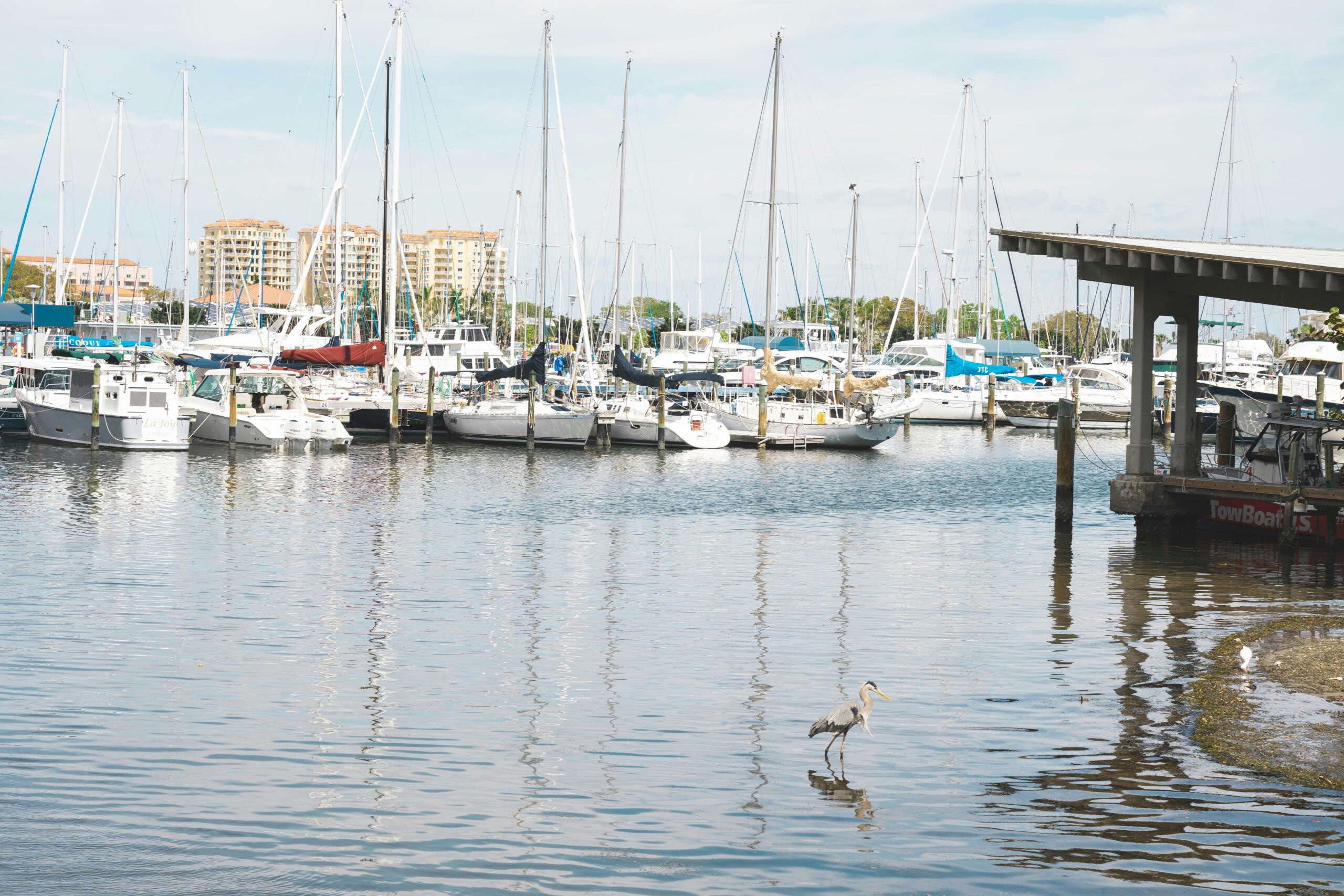
From Instagram reels to TikTok videos, St. Petersburg’s dolphins have become familiar faces on social media. Videos of dolphins jumping through boat wakes, swimming alongside kayakers and surfacing near the city’s waterfront regularly capture the attention of locals and visitors alike.
For many, spotting a dolphin is a moment worth pulling out a phone and sharing online. But behind these viral-worthy encounters are animals that have been swimming through Tampa Bay’s waters for decades, making them some of the area’s longest-standing residents.
Along the shores of Vinoy Park and throughout Tampa Bay, bottlenose dolphins are a common sight. They can be spotted hunting for fish, traveling in groups or briefly breaking the surface before disappearing beneath the water.
While tourists may consider seeing a dolphin a highlight of their visit, many St. Petersburg residents have grown accustomed to sharing their waterfront neighborhoods with these marine mammals.
As St. Petersburg continues to grow, the dolphins swimming through its waterways remain a connection to the natural environment that has long defined the area. Their presence offers a reminder that some of the city’s most recognizable residents don’t live in houses or apartments. They live just beneath the surface.
Getting to know the dolphins
For longtime fisherman Dale Powell, dolphins have been a familiar sight throughout his years on Tampa Bay. Spending countless hours on the water has given Powell the opportunity to observe the wildlife that makes the area unique.
For fishermen who return to the same fishing spots year after year, these encounters can become part of their regular routine. Although dolphins are often associated with tourism and sightseeing cruises, they are also an everyday presence for those who spend much of their time on the bay.
“I’ve been fishing these waters for years, and the dolphins are always around hoping to steal some fish. Most of the time you’ll see the same ones in the same spots, and you start to recognize the different markings each one has,” Powell said.
While dolphins may be familiar to fishermen, their behavior is far more complex than a quick sighting might suggest. Bottlenose dolphins are highly social marine mammals that communicate through whistles, clicks and body movements. They form relationships with other dolphins, travel in groups, and sometimes work together to locate and catch fish.
Morning walks with the dolphins
For St. Petersburg resident Adrianna Prynn, the dolphins are part of the scenery she encounters during her morning walks along the waterfront. While visitors may spend hours hoping to catch a glimpse of a dolphin, Prynn regularly has the opportunity to see them swimming along the seawall.
“I have lived here for over 20 years. I walk along the water almost every morning, and seeing the dolphins never gets old. It’s something I look forward to every day. You almost feel like you’re checking in on the neighborhood pet,” Prynn said.
For residents like Prynn, watching dolphins is not necessarily a special occasion or planned activity. It can be as simple as looking toward the water during a morning walk.

Dolphins share the bay with fish, sea turtles, seabirds, and other animals that depend on the health of the coastal environment. Their presence highlights how closely the natural world is connected to the city, even as new buildings, businesses, and neighborhoods continue to develop.
The shallow waters and seagrass beds throughout Tampa Bay provide important habitats for many species of fish, which in turn support predators such as bottlenose dolphins. These underwater environments serve as feeding and nursery areas for marine life, making them essential to the overall health of the bay.
When dolphins are seen swimming near shorelines or following schools of fish, they are taking advantage of resources within this interconnected ecosystem. Changes in water quality, habitat availability or fish populations can affect the animals that depend on these areas, which is one reason researchers continue monitoring the bay’s wildlife.
Sharing the Bay with a growing city
As St. Petersburg has grown, its waterways have also become increasingly popular for recreation. Boaters, kayakers, paddleboarders, fishermen and tourists all use the same areas where dolphins feed, travel and socialize.
Although dolphins are known for occasionally approaching boats or swimming alongside their wakes, interactions with human activity can create risks for the animals. Boat strikes, discarded fishing line, marine debris and pollution are among the threats dolphins can encounter in coastal environments.
Fishing is one activity that brings people and dolphins into frequent contact. Both may be searching for the same fish, and dolphins sometimes approach areas where people are fishing. While these encounters can be exciting, experts discourage feeding wild dolphins or encouraging them to approach boats for food.
Stephen Gardner, a seawall mechanic who works along the waterfront, has witnessed dolphins fishing in the same areas where people boat and fish. He emphasized the importance of giving dolphins space when they are hunting, allowing them to catch their food without interference from nearby boats or people.
“When you see dolphins fishing, the best thing you can do is give them their space. They’re out there trying to catch their next meal, and boats getting too close can interrupt what they’re doing. It’s important to remember that we’re sharing the water with them,” Gardner said.
According to the National Oceanic and Atmospheric Administration, feeding dolphins can change their natural behavior and increase their risk of injury. NOAA also recommends that people in Florida waters observe wild dolphins from at least 50 yards away and avoid attempting to touch, chase or swim with them. These guidelines help ensure that dolphins continue relying on natural feeding behaviors rather than becoming dependent on interactions with humans.
Protecting St. Pete’s other residents
Protecting Tampa Bay’s dolphins begins with recognizing that the waterways are more than recreational spaces. They are also habitats where marine animals feed, raise their young and interact with one another. Residents and visitors can help by practicing responsible boating, properly disposing of fishing line and other trash, and observing dolphins from a safe distance. Protecting seagrass beds and maintaining healthy water quality are also important for the fish populations and ecosystems that support marine mammals.
For St. Petersburg, the dolphins are a reminder that the city’s identity extends beyond its neighborhoods, businesses and landmarks. Its natural environment is part of what makes the community distinctive. The animals swimming through Boca Ciega Bay have their own routines, relationships and familiar places, just like the people who live along its shores.
As St. Petersburg continues to change, its dolphins remain an enduring part of the waterfront community. For residents like Prynn, seeing them during a morning walk offers a reminder of the wildlife living just beyond the city’s busy streets. For fishermen like Powell, they are a familiar presence on the water. And for researchers, each new sighting adds another piece to a story that began more than 30 years ago.
Some St. Petersburg residents have spent decades watching the city grow around them. Others have spent those same years swimming beneath the surface. For all of the dolphins, Tampa Bay isn’t simply a place to visit; it’s home.