By Rhys Cote
As hurricane season approached, many young renters in St. Petersburg remained unprepared for a major storm, despite living in one of Florida’s most vulnerable coastal regions.
“I knew hurricanes were serious here, but I didn’t really have a plan,” said Maya Rodriguez, a 20-year-old student at the University of South Florida St. Petersburg campus who rented an apartment near downtown. “I didn’t even know my evacuation zone.”
For many college students and young renters in St. Petersburg, hurricane preparedness was often incomplete — or entirely absent — until a storm was already approaching. Experts said this trend was common among younger adults, particularly those living independently for the first time.
“Young adults often underestimated their personal risk, especially if they had not experienced a major hurricane before,” said Jennifer Collins, professor of geography and disaster studies at the University of South Florida. “Without that experience, it didn’t feel immediate.”
Collins, whose research focused on hurricane risk perception, explained that renters faced unique challenges compared with homeowners, including confusion about emergency responsibilities and fewer long-term planning habits.
That confusion often extended to financial preparedness.
“Many young renters assumed their landlord’s insurance covered personal belongings, but that was not the case,” said Lisa Martinez, a licensed insurance agent with State Farm in St. Petersburg. “Renters’ insurance protected personal property, but flood damage usually required separate coverage.”
Martinez said many renters skipped insurance altogether because they underestimated the likelihood of loss or assumed it was too expensive.
Emergency officials said these gaps in planning could become especially dangerous during evacuation scenarios.
“Knowing your evacuation zone ahead of time was critical,” said Allison Crews, communications coordinator for Pinellas County Emergency Management. “When a storm was approaching, there was no time to figure it out at the last minute.”
Pinellas County provided online tools and alert systems to help residents identify evacuation zones and prepare emergency plans. However, officials said younger residents were often less likely to use these resources.
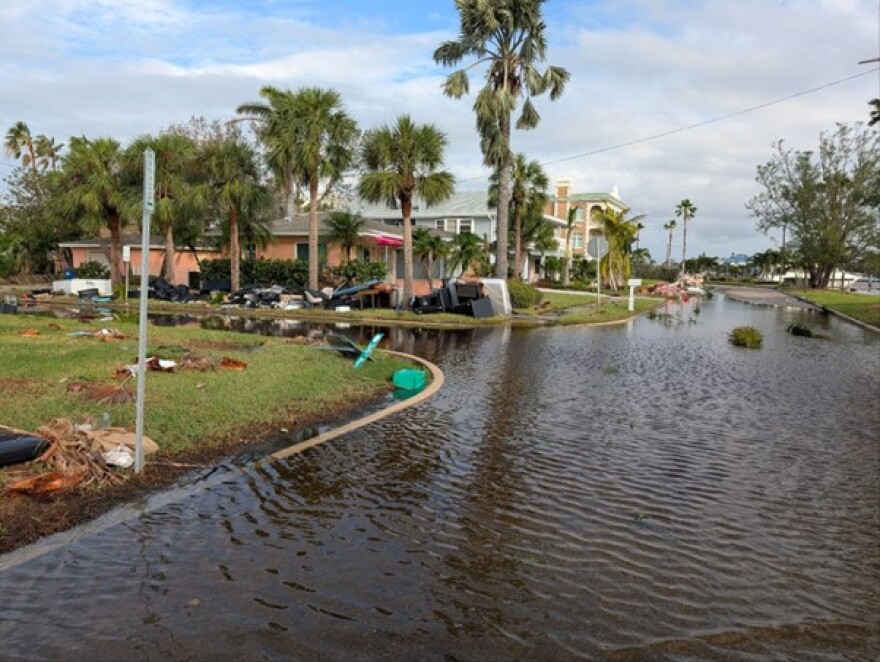
The issue was particularly urgent in coastal communities like St. Petersburg, where storm surge remained a major risk. According to National Hurricane Center data, storm surge accounted for a large percentage of hurricane-related fatalities in coastal regions.
Organizations such as the American Red Cross continued to stress that preparedness went beyond stocking supplies.
“A disaster kit was important, but knowing your evacuation route and having a communication plan mattered just as much,” said Nicole Williams, regional disaster preparedness coordinator for the American Red Cross of Central Florida.
Still, many renters admitted preparation often took a backseat to daily concerns.
“I probably should have taken it more seriously,” Rodriguez said. “I just hadn’t really done it yet.”
As hurricanes in the Gulf continued to intensify, experts warned that preparedness gaps among younger renters could have serious consequences.