By Breanna Burrell
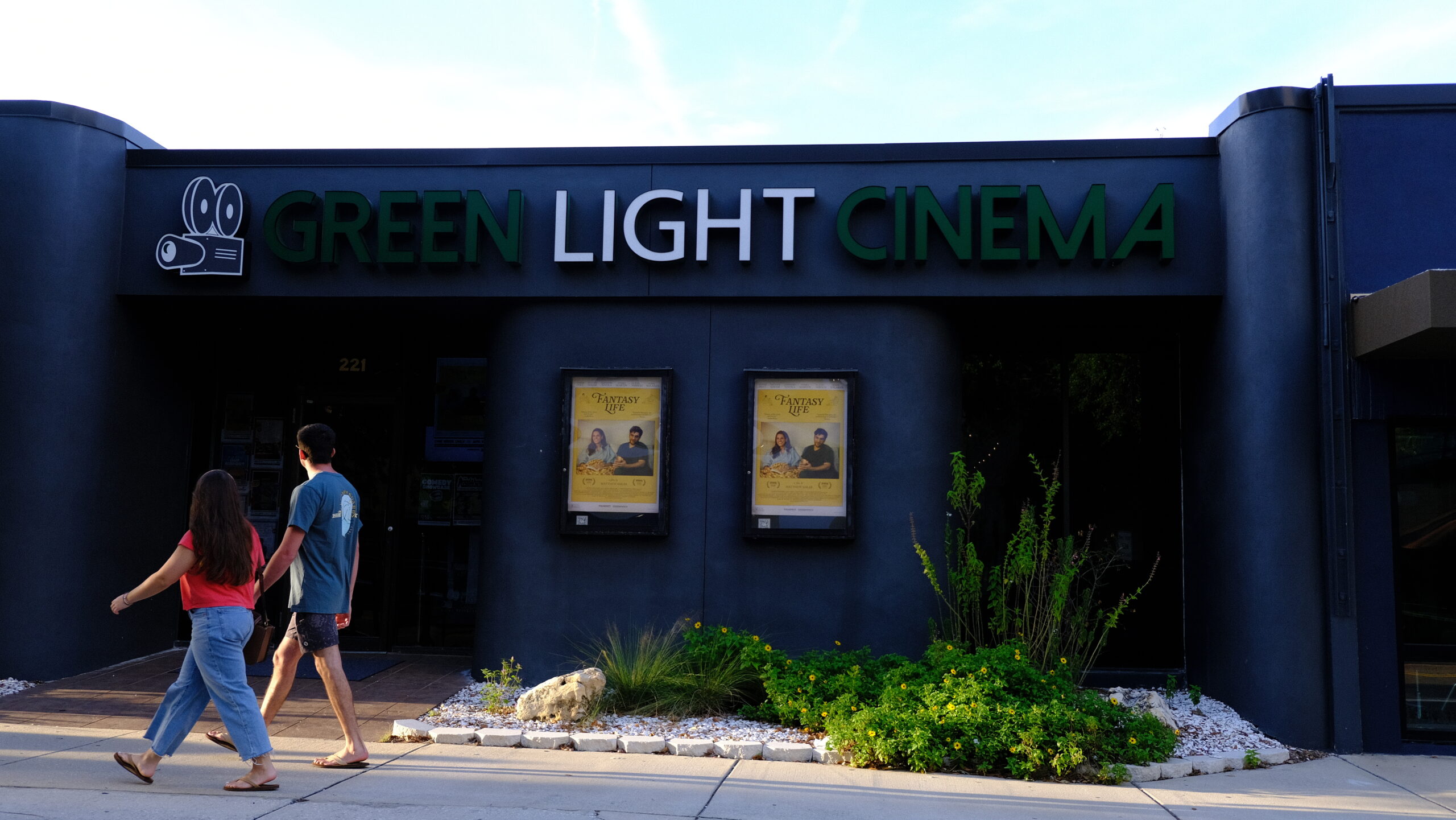
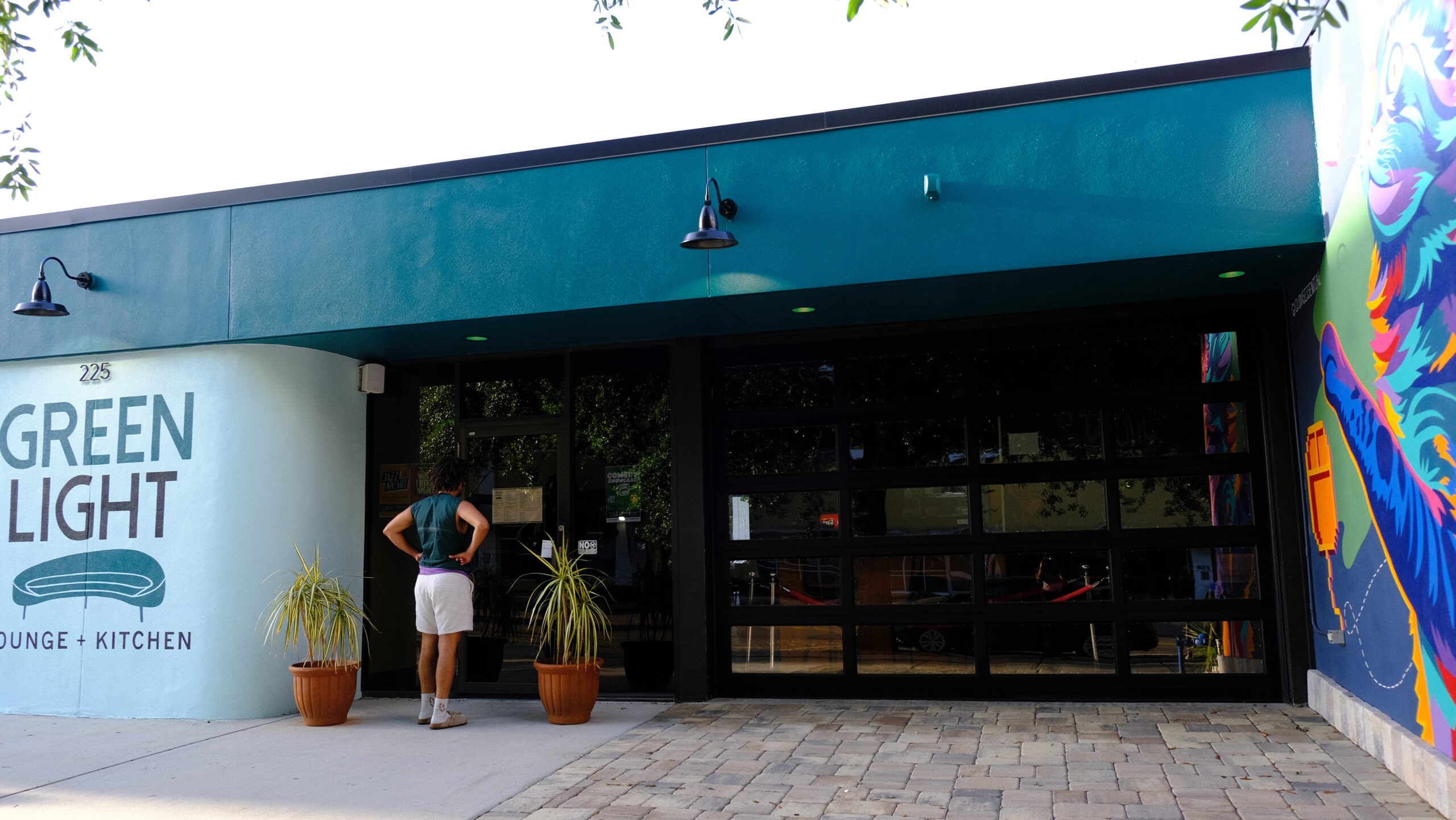
Between niche screenings, book-to-film discussions and acting classes, Green Light Cinema has become more than a place to watch movies, it has evolved into what co-founder Mike Hazlett described as “almost a community center that shows movies.”
“I think people are craving spaces where they can actually focus and experience something together,” Mike Hazlett, co-founder of the theater, said.
Hazlett and his wife, Sue, moved to St. Petersburg and were surprised to find that the city didn’t have an independent movie theater. They began developing the concept in early 2020 but were forced to delay their opening due to the COVID-19 pandemic.
“It was just the worst timing ever,” Hazlett said.
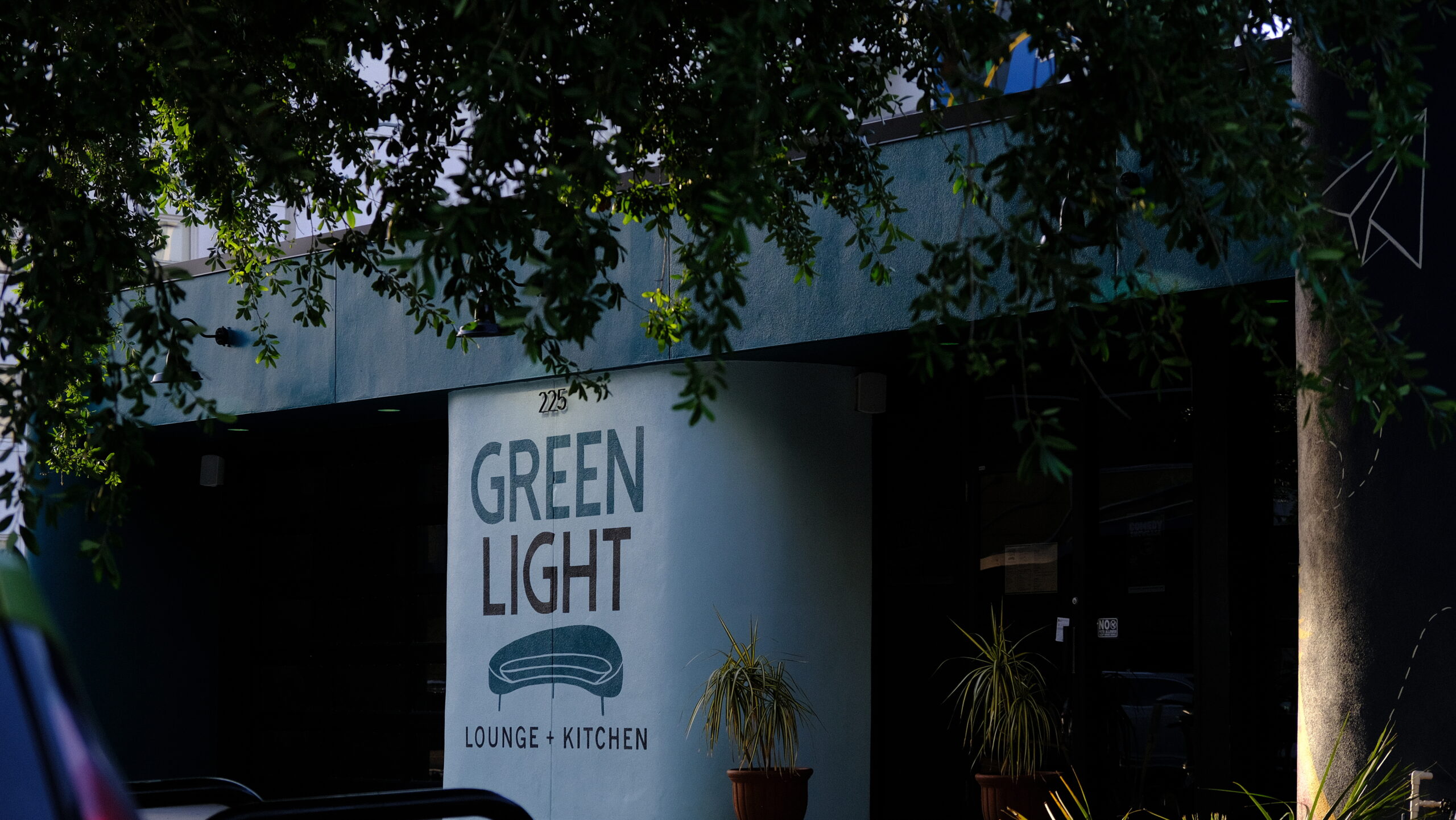
The theater officially opened in early 2021, at a time when moviegoing had sharply declined. Attendance dropped significantly during the pandemic, and the percentage of frequent movie-goers dropped from 39% to 17% in 2025, according to S&P Global.
“So we ended up opening at the beginning of 2021 and it was a tough year,” Hazlett said. “We did about 100 tickets a week for a year. It was brutal.”
Even as the industry changed, Hazlett said Green Light Cinema adapted by focusing less on traditional moviegoing and more on building a community-centered space.
“We’ve kind of evolved into this community center that shows movies,” Hazlett said. “You connect with your community. It’s that simple.”
That shift is visible in events like “Page to Picture,” a book-to-film club hosted in partnership with a local bookstore. The program invites people to read a book, watch its film adaptation and then discuss the differences, nuances and similarities together.
Lexi Walker, who leads the discussions, said the experience encourages deeper engagement with storytelling, not just in a book, but on the screen too.
“When people experience both the book and the film, they understand the story on a different level,” Walker said. “It creates a deeper connection to the characters and themes.”
Walker vocalized that the group setting also shifted how she and people interacted with stories.
“Hearing other people’s perspectives can completely shift how you interpret something,” Walker said. “It makes the experience more intentional.”
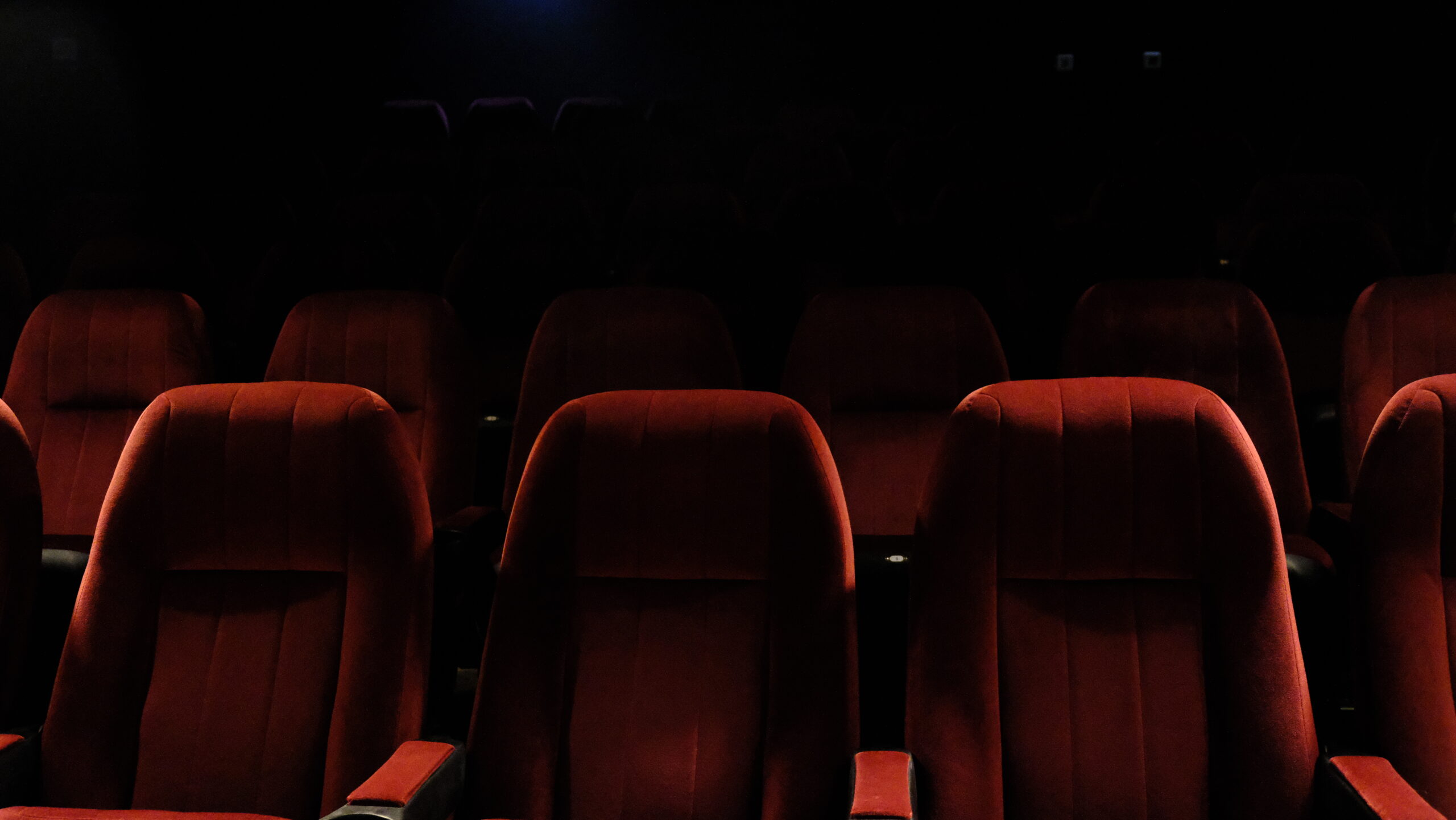
For many attendees, that collective effervescent attention is what makes independent theaters important. Jensen Gross, a frequent moviegoer, said watching films in a theater creates a level of focus that is difficult to replicate at home.
“You’re in a room full of people who all chose to be there for the same reason,” Gross said. “That’s not something you get when you’re watching a movie on streaming.”
Gross said the theater environment removes common distractions and allows audiences to fully tap into the film.
“At home, you have your phone, other people, or a million things pulling your attention away,” Gross said. “In a theater, the only thing you can do is watch the movie.”
He described moviegoing as a kind of ritual.
“It forces you to be present,” Gross said. “That’s what makes it special.”
Hazlett said that the idea of intentional community has become central to how independent theaters survive in an industry that’s in competition with streaming and shorter attention spans.
“People are watching movies on their phones now,” Hazlett said. “Films are starting to be made for smaller screens instead of the big screen.”
According to YouGov, about 76% of Americans say they use a phone or another device at least occasionally while watching movies or TV at home.
As digital habits shift, attention spans have shortened, with many viewers multitasking while watching content at home, according to the American Psychological Association.
Hazlett said shorter attention spans are even beginning to shape how films are made.
“You can’t have long scenes anymore because people don’t have the attention span for it,” Hazlett said. “Filmmakers feel like they have to repeat parts of the plot because viewers might not remember if they’re watching in pieces.”
Gross has also noticed this shift in movie phone consumption and refutes it.
“The theatrical experience is to be experienced in a theater; you’re consuming the media in the setting that it’s made for,” Gross said. His perspective reinforces what independent theaters aim to preserve: a space where films can be experienced as they were intended.