By Sofiya Rizzo
For Tampa Bay residents traveling between St. Petersburg and Tampa, crossing the bay often means relying on a car. A revived cross-bay ferry service, expected to launch in early 2027, aims to offer another option for making the trip. But whether the service can become a practical alternative for every day commuters remains to be seen.
Public transportation options between the two cities remain limited, leaving many residents dependent on personal vehicles to travel across the bay. The return of the ferry could provide another way to make the trip, particularly for those looking to avoid driving. However, the success of the service may depend on whether its cost, schedule and accessibility meet the needs of the people it intends to serve.
“With a local operator and local funding, the Tampa Bay Ferry will be able to offer more frequent, year-round service,” Pinellas Suncoast Transit Authority’s (PSTA) Communications and Public Relations Manager, Amanda Boisen, said.
PSTA said the previous ferry’s out-of-state operator led to costs that added up quickly. The agency expects its new partnership with local operator Hubbard’s Marina, along with funding from the cities of St. Petersburg and Tampa, to support more frequent service throughout the year.
The previous Cross-Bay Ferry operated between Tampa and St. Petersburg before ending service in April 2025. Its operational challenges, contract changes and limited ability to provide frequent service raised questions about what will be different with the new project. This time, the PSTA has partnered with Hubbard’s Marina to operate the revived service.
The project received a $16.5 million federal grant to support the development of the new ferry service. In an announcement in April, PSTA also proposed a target one-way fare of $10, although final pricing and service arrangements still need to be confirmed.
Since the final pricing schedule has not been officially established, the agency has not approved whether discounts will be available for low-income residents, students, or frequent riders.
“We have not yet finalized the fare structure,” Boisen said.
The ferry is intended to serve both tourists and residents looking for scenic views and car-free day trips between the two cities. PSTA said feedback from residents has largely centered on wanting the service to return and operate more frequently than the previous Cross-Bay Ferry. The agency also plans to offer onboard concessions and attractions.
“Folks just want more options across the bay that don’t require that they drive across the bridge,” Boisen said.
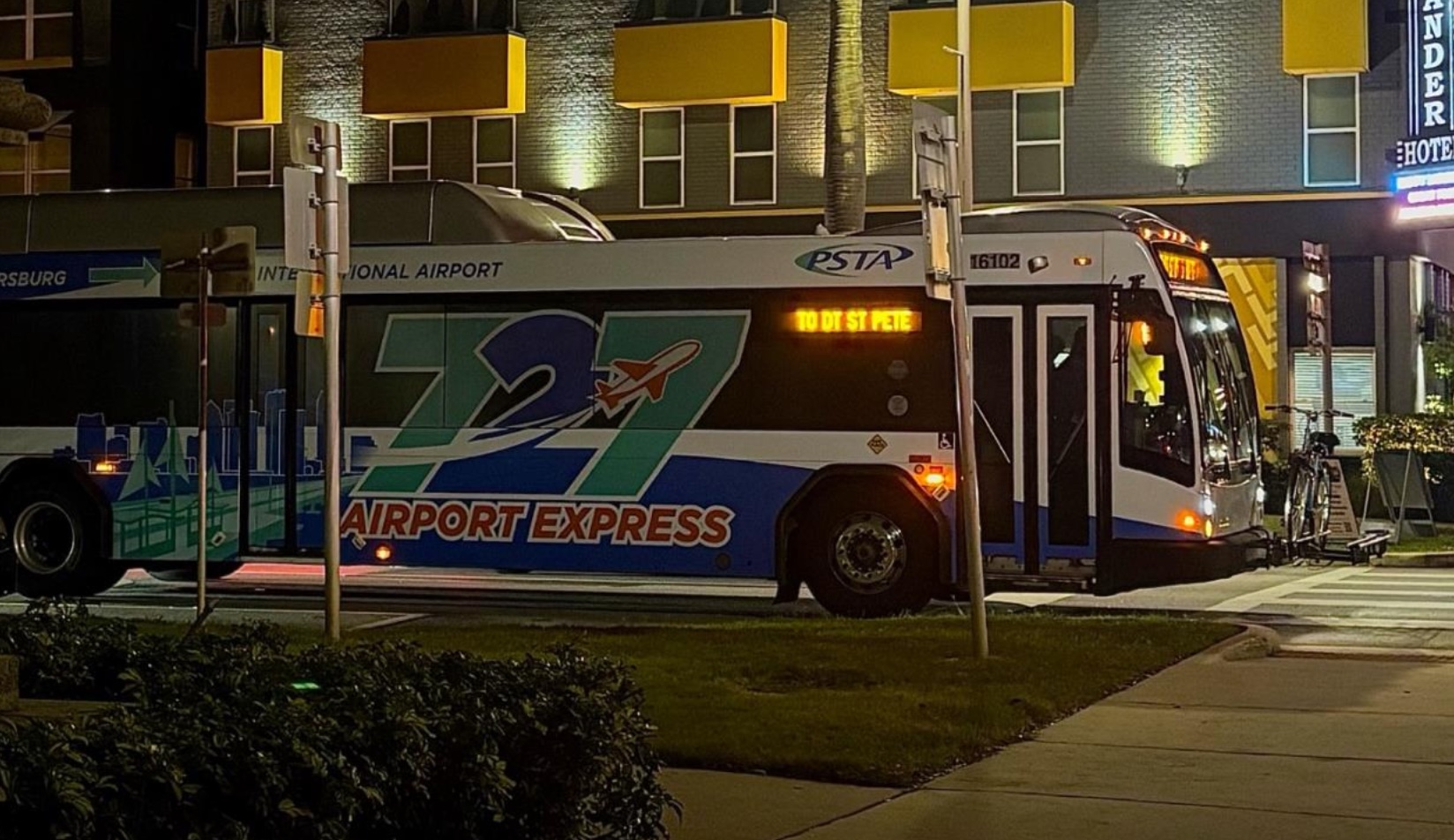
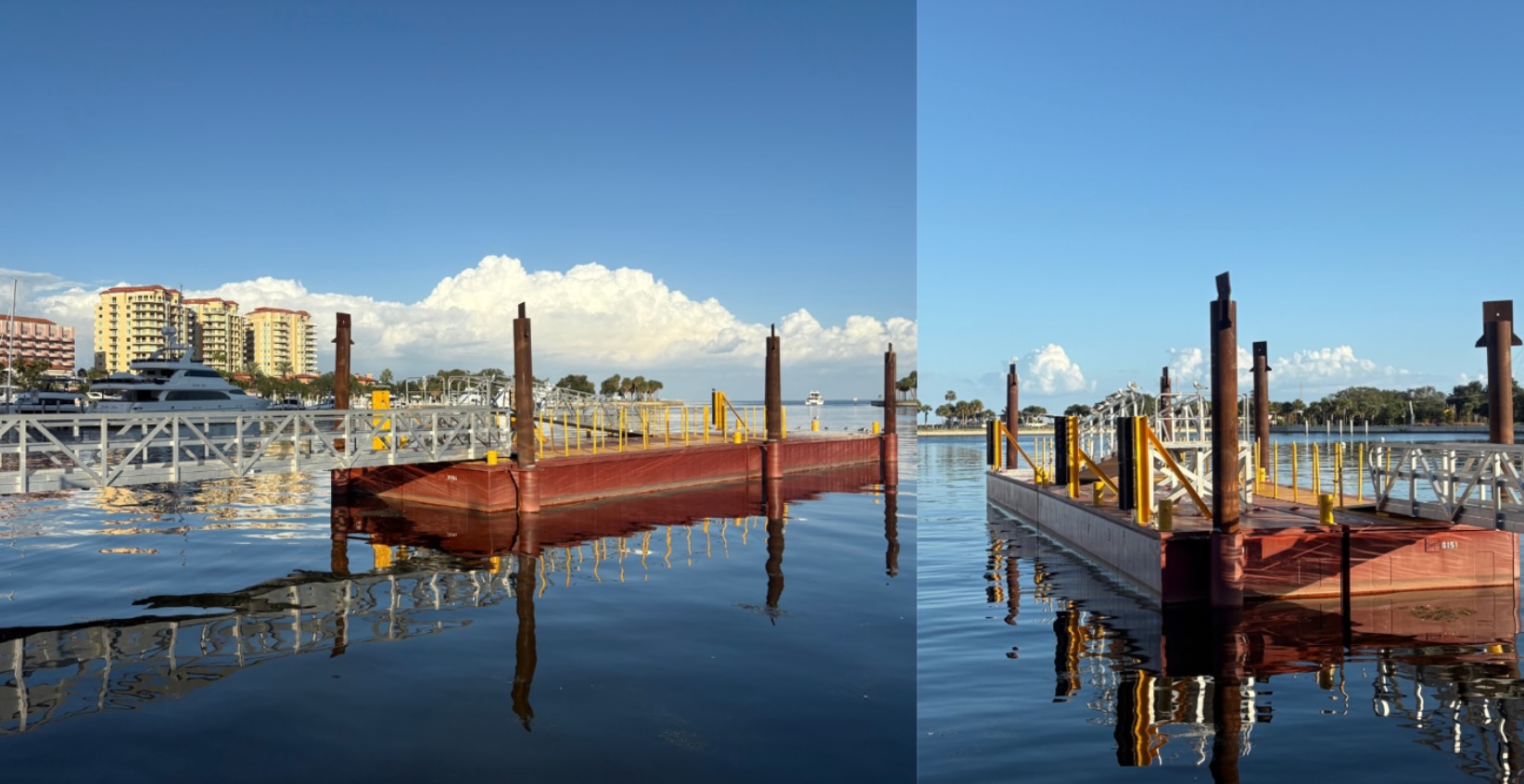
The ferry’s connection to existing public transportation could also influence whether residents use it for more than occasional trips. Boisen stated the St. Petersburg dock will be located along Bayshore Drive NE near North Straub Park, with connections to several nearby bus routes and services, including the SunRunner, Central Avenue Trolley, Downtown Looper and 727 Airport Express. Routes 4, 5, 9, 16, 20, 22, 24, 29, 38 and 49 will also be within a few blocks of the dock.
While PSTA oversees the transportation project, Hubbard’s Marina will be responsible for operating the ferry. The marina’s involvement will be important in determining how reliably the service can run and whether its schedule can accommodate more than occasional recreational trips.
In a press release from December 2025, PSTA shared words of acknowledgement and encouragement for the marina when the approval for the collaboration went into effect.
“Hubbard’s Marina brings decades of maritime expertise and a deep understanding of our local waterways. Their partnership is essential to creating a service that is built to last and one that the region can be proud of,” said Deborah Figgs-Sanders, PSTA Board Chair and St. Petersburg City Councilwoman in PSTA’s press release.
Three Hubbard’s Marina customer service representatives said they wanted their boss, Dylan Hubbard, to answer questions about the company’s involvement in the ferry service. However, Hubbard was unavailable for an interview due to vacation.
For residents without cars, the ferry could offer more than a scenic trip across the bay. Tampa Bay resident Garcelle Louis, who frequently visits St. Petersburg, said she often depends on friends for transportation between the cities.
“I usually have to rely on the friends around me … because I can’t go on my own time,” Louis said.
Louis said the ferry’s itinerary would give her more independence and make trips between the cities more convenient. She also said she tries to avoid paying for rideshare services and often relies on friends for rides, sometimes reimbursing them for gas, which gets pricey and bothersome.
“(The ferry’s schedule) would honestly work a lot better because then I’ll be able to go when I want to, and be more convenient overall. It would be a lot less (costly) for me,” Louis said.
North Tampa resident Isabella Varona also sees the ferry as a potentially affordable way to travel between Tampa and St. Petersburg. Varona said an Uber trip between the cities cost her around $50 and took about 40 minutes.
“I love seeing the sights (of St. Pete) while being on a boat and I think it is very useful and not as expensive,” Varona said.
For residents like Louis and Varona, whether the ferry becomes a practical option may depend on its eventual cost and schedule.
Affordability and accessibility are important considerations for residents who may depend on transportation alternatives. The proffered $10 one-way fare could become a significant expense for someone making the trip regularly, particularly without commuter discounts or other reduced-fare options.
Additionally, residents who do not live near either downtown terminal may still need to rely on a car or additional transportation to reach the ferry.
Boisen said they are still working on the service schedule and hope to provide more information soon. The agency also acknowledged that measuring whether the ferry reduces car trips will bedifficult. It plans to ask passengers through onboard surveys whether they otherwise would have traveled by car and may examine transportation data shared by the Florida Department of Transportation over time.
As the anticipated 2027 launch approaches, questions about scheduling, affordability and long- term reliability remain. The return of the Cross-Bay Ferry presents an opportunity to expand transportation options across Tampa Bay, but its impact will ultimately depend on more than getting passengers from one city to another. For the service to become a meaningful transportation alternative, it will need to work for the residents who could benefit from it most.