By Leon Tomlinson
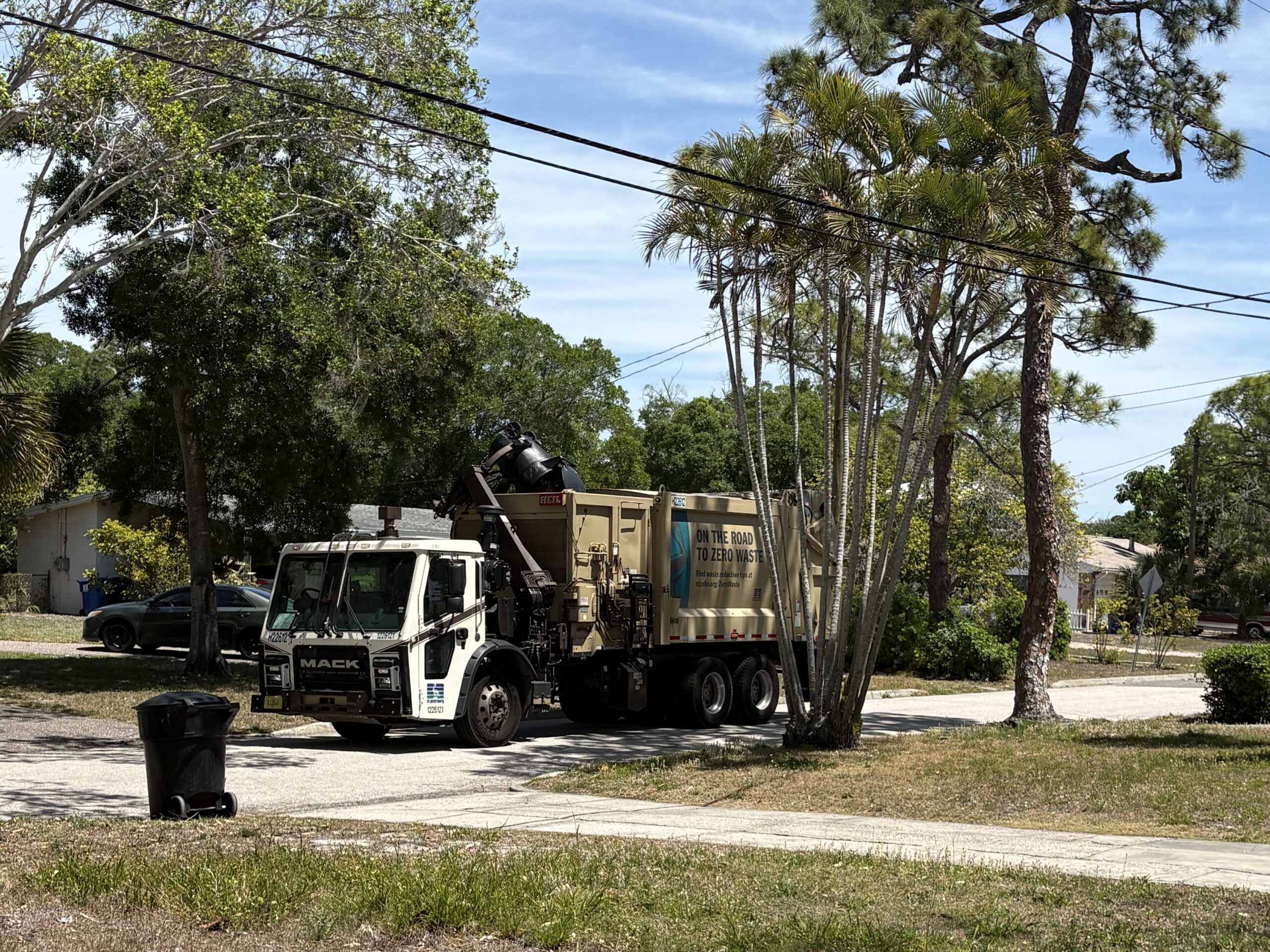
Many people in Midtown and South St. Petersburg say their utility bills are getting too expensive, turning what used to be a normal monthly cost into a source of stress for families. Some residents say their water and electricity bills have doubled or even tripled in recent years, making it harder to keep up with basic expenses. While officials point to system upgrades and long-term improvements as the reason for the increases, many residents feel the costs are too high.
“I thought by moving into something smaller I wouldn’t get affected that much. Even living in an RV, my utilities have raised over twice over the years,” said LaTasha Byrd, a St. Petersburg resident.
Residents like Byrd said they have tried to lower their bills by changing their daily habits. Some turn their air conditioning higher, use less electricity, or open windows more often. Even with these changes, many said their bills are still high every month. Some have reached out for help but said it has not made a big difference.
“I have talked to the city about the increase. They helped and cut a few bills for me, but nothing that truly helped,” Byrd said.
According to an official release from the City of St. Petersburg, utility rates have increased to fund major infrastructure projects, including repairing aging pipes, improving water systems, and strengthening stormwater protections.
City Council Member Gina Driscoll said those rising costs are being felt across the community and acknowledged the strain they place on households. “When residents report increases of that magnitude, it’s critical that they have access to clear answers and support,” Driscoll said in a statement.
She added that the city encourages residents to contact the utility billing department so staff can review accounts for issues like leaks, meter errors, or unusual usage patterns.
“With solar, it was like $300. Now it’s like $700… something crazy like that,” said Quam Salami, a South St. Petersburg resident.
Salami said his electric bill has gone up a lot over the past year. After a hurricane damaged his home, his family had to remove solar panels and add more cooling systems. This caused their energy use to increase, but he still feels the bill is too high.
“It’s really expensive, and it’s just gonna get worse when summer comes around,” Salami said.
Because of the high costs, many residents are changing how they live at home. People are turning off their lights more often and trying not to use too much electricity. But some things, like refrigerators and air conditioning, cannot be turned off. This means families sometimes have to deal with hotter homes just to save money.
“We actually have to deal with stuff like that—like dealing with the heat. Not having lights everywhere… those little things,” Salami said.
Some residents believe their bills may be incorrect. They say they have checked for leaks and tried to use less water and electricity, but their bills are still high. This has caused confusion and frustration for many people.
Driscoll said the city council has pushed for stronger oversight of billing practices and more transparency. She noted that a report requested earlier this year led to the evaluation and correction of inaccurate bills, and emphasized the importance of “accuracy, transparency, and timely resolution” when residents raise concerns.
The financial impact is especially tough on lower-income households. Driscoll said she is “very concerned” about residents on fixed incomes and noted that the city offers payment plans and assistance programs, including referrals through 211 Tampa Bay, to help families manage costs.
While the City of St. Petersburg has made efforts to explain rate increases through public meetings and online resources, Driscoll acknowledged that communication could be improved. She said the connection between higher rates and what they fund “is not always as clear or accessible as it should be.”
City leaders are exploring ways to reduce the burden on residents. Driscoll said council members have discussed lowering proposed increases and finding alternative funding sources, such as grants or bonds, to pay for infrastructure improvements.
She added that while investments in stormwater and infrastructure are necessary, especially in a flood-prone city, they must be balanced with affordability. Some projects have already led to improvements in drainage and water systems, but she noted that not all neighborhoods have seen those benefits yet.
“No matter where you live, you’re still getting hit with it,” Byrd said.