By Jaden Taylor
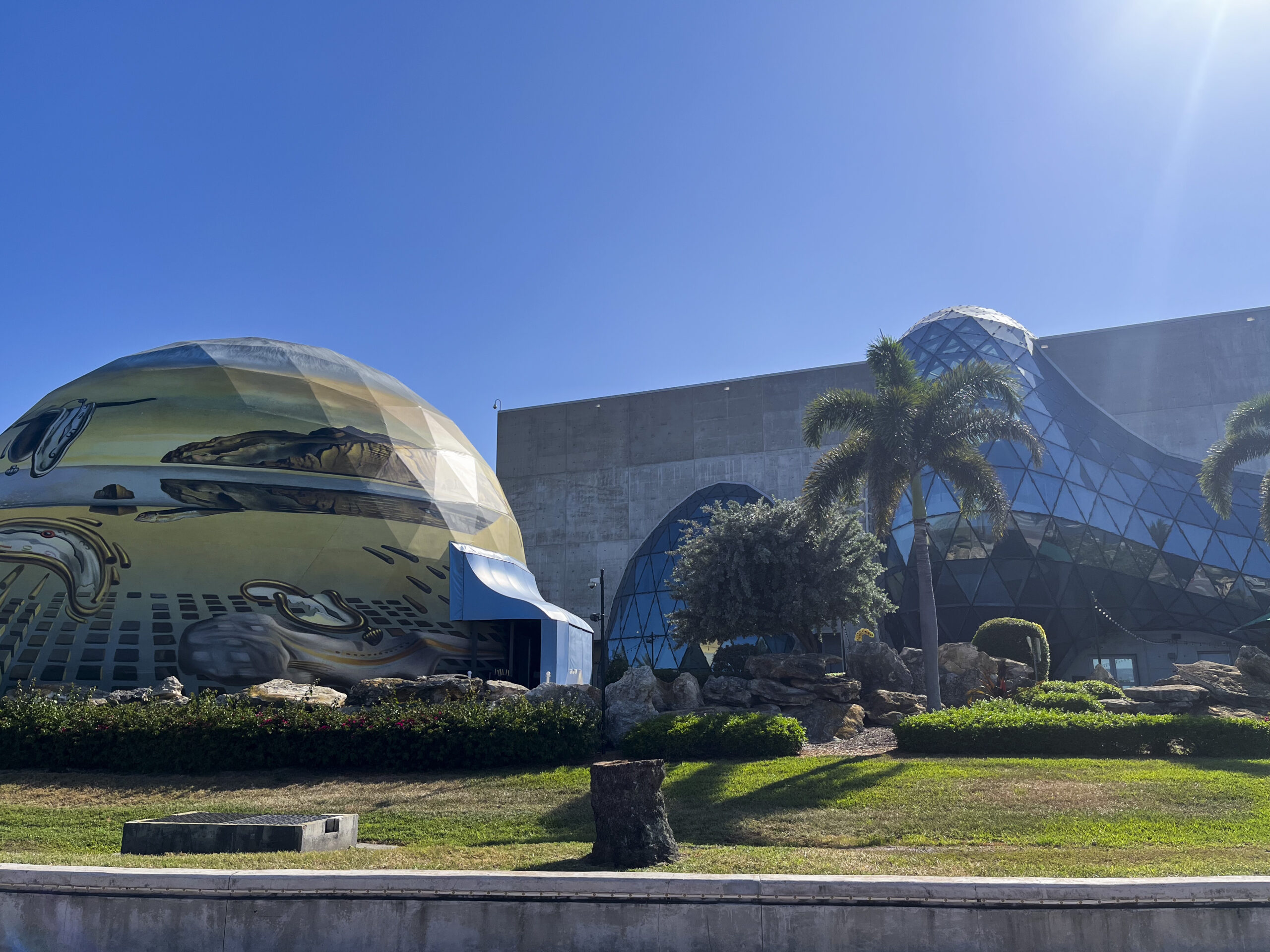
On June 12, 2024, arts districts throughout Florida were given the news of a $32 million arts funding veto by Gov. Ron DeSantis. Museums and galleries are still facing the consequences in 2026, despite attracting the most visitors they have ever seen.
The arts community in St. Petersburg directly faced this issue, and museums find that expansions and improvements to the buildings are necessary to keep up with the demands of rising numbers of guests, although it can be very costly.
“As our area achieves greater recognition as an arts destination, there is a demonstrated desire for elevated programming and exhibitions,” said Margaret Murray, CEO of Creative Pinellas, a non-profit arts agency in the area. “It’s a wonderful issue to address, and I’m excited to see the stellar offerings on display from our cultural institutions.”
Numerous organizations in St. Petersburg are willing to contribute economically toward the success of local museums and galleries, one of them being Creative Pinellas.
“We think of these as long-ago experiences, but the impacts are still being felt across many sectors of our cultural community,” Murray said. “At all levels, we have seen a downward trend in arts funding. State, county, federal, and in many instances even city funding has decreased.”
Creative Pinellas manages local artists and various cultural organizations by providing grants and funding that curate the environment for a “vibrant and welcoming” city. They also recognize that statewide funding could significantly contribute to the arts institutions.
“The cost of materials, supplies and living have increased,” Murray said. “Museums can make the case for capital funding based on projected visitation, as well as seeking private and corporate sponsorship to fuel their growth.”
Another local organization, The Stuart Society, has raised over $5 million in aiding restorations and other programming for art museums, namely the Museum of Fine Arts, which the non-profit owner Margaret Acheson Stuart founded. The Stuart Society is immersed in the local arts community and keeps a positive outlook on the future of the industry.
“The past few years, we gifted around $200,000 a yea,r and we do that through our fundraisers,” said Susan Taylor, president of The Stuart Society. “We do whatever we can to raise money for the museum.”
Despite financial struggles, museums and galleries in the area are growing in popularity as people crave community and a place to gather within the city.
Tourists from all over the world have been travelling to St. Petersburg and adding museum tours to their itineraries.
Nearly 25% of people visiting here also visit one of our museums,” Murray said. “Visitation has only grown, adding significant benefit to our region’s museums and galleries.”
Increased attendance at St. Petersburg’s museums greatly impacts the incoming revenue needed for future projects, but without statewide funding, it poses a conflict for the institutions. People want to see new exhibits and form a community through museum programs and events, which leads to a necessity for expansion.
“A lot of the exhibitions I worked on that had stronger attendance were the ones where you felt like you were walking into a different world,” said Jorge Vidal, chief executive officer of Florida CraftArt. “I think people are hungry for that, just as another form of entertainment.”
Florida CraftArt is an active art gallery in downtown St. Petersburg, as well as a non-profit organization. Vidal has previously worked in multiple art institutions around the area, such as the Museum of Fine Arts, the Duncan McClellan Gallery and the Morean Arts Center, before his appointment to the gallery.
“Our baseline for media of all sorts has been raised in its intensity,” Vidal said. “I think people almost need that kind of expansive multimedia moving image kind of piece just for their museum experience.”
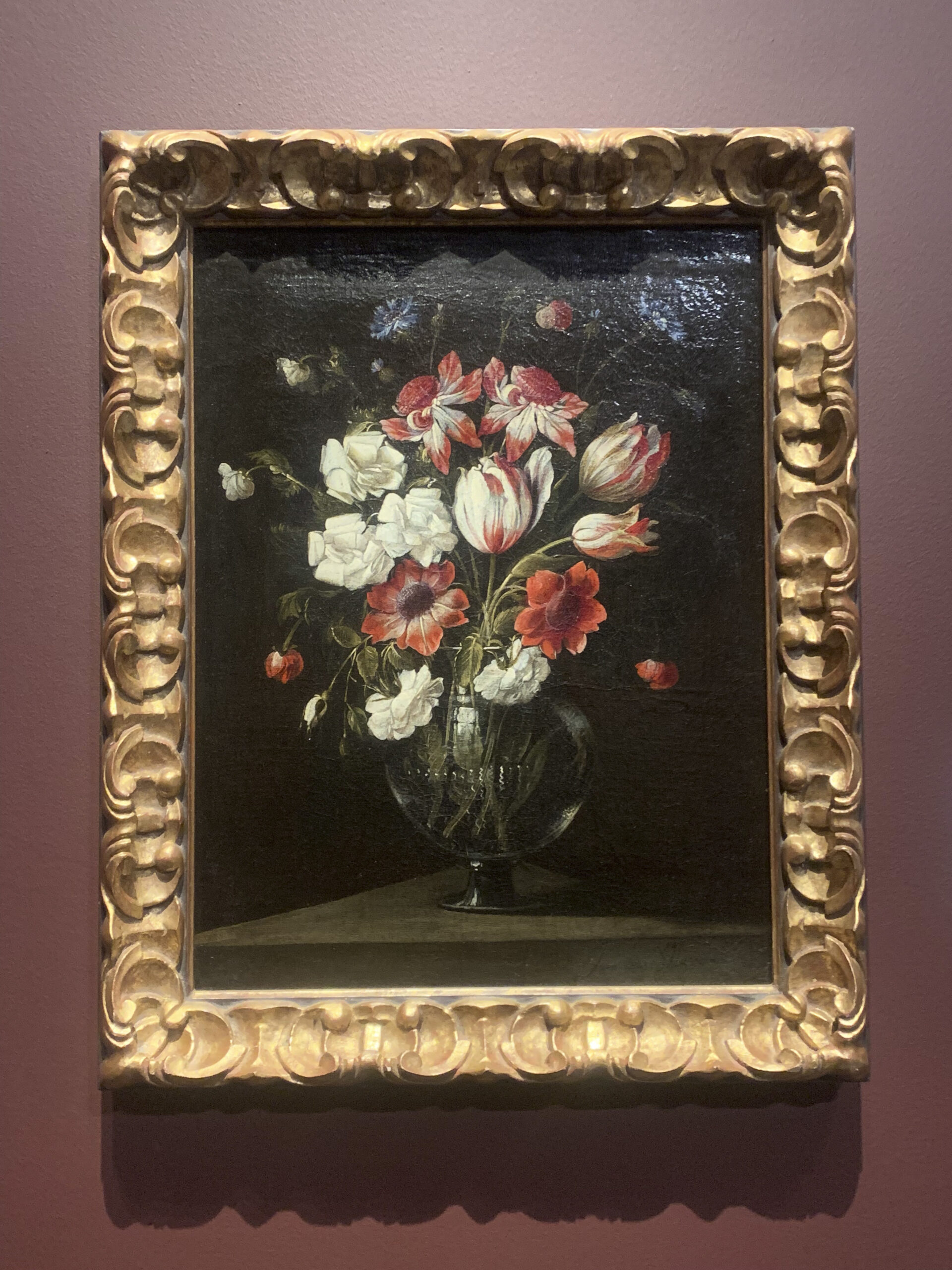
The institutions provide an essential hub for community meetings and events that create long-term connections and educational opportunities for current members of the city as well.
“It’s important to remember, though, that cultural institutions are not only of value to visitors,” Murray said. “Our residents and schoolchildren benefit greatly from having access to cultural experiences.”
Museums can provide the opportunity for education and spark an interest in younger generations to continue and pass down the study of art. In doing so, art institutions could potentially thrive well beyond their initial years.
“We provide field trips to every 6th grader in the county, and we give them a family pass to return, and that’s been going on for years and years,” Taylor said. “People can look at that (as) you’re building a future.”
With advancing technology, museum and gallery visitors are looking for more interactive and multimedia experiences moving forward, compared to early art institutions. The upgraded materials require more space to be plugged in and show displays.
“When a gallery is built for what we think of as artwork, it’s somewhat limited for just having the infrastructure to give you what those kinds of experiences require,” Vidal said. “They’re probably building out the space so that they can offer those things easily, so it’s not up to staff to reinvent the wheel every time they create something new.”
Nevertheless, keeping up with incoming visitors and establishing a recurring local community invokes quality behind the projects in art institutions. People want to understand what the installations mean, in order to support its message, and museums want to give them that experience.
“I think expanding the thought that goes behind not only the exhibitions themselves, but the programs they offer,” Vidal said. “You know, like, what is this exhibition actually saying? Here are the points of view, let’s talk about it.”
Many people involved in the arts community in St. Petersburg are working toward mitigating economic hardships in expansion and improvement projects resulting from rising attendance. They hold out optimistic views by seeing the drive in visitation sales as an advantage, but continue to consider potential threats for arts institutions moving forward.
“More philanthropists in other areas are exploring multi-year funding models, which provide an opportunity for organizations to scale new projects and plan for intermediate and long-term growth,” Murray said. “It’s my hope that we’ll see an increase in this funding philosophy locally.”