By Joseth Rivera
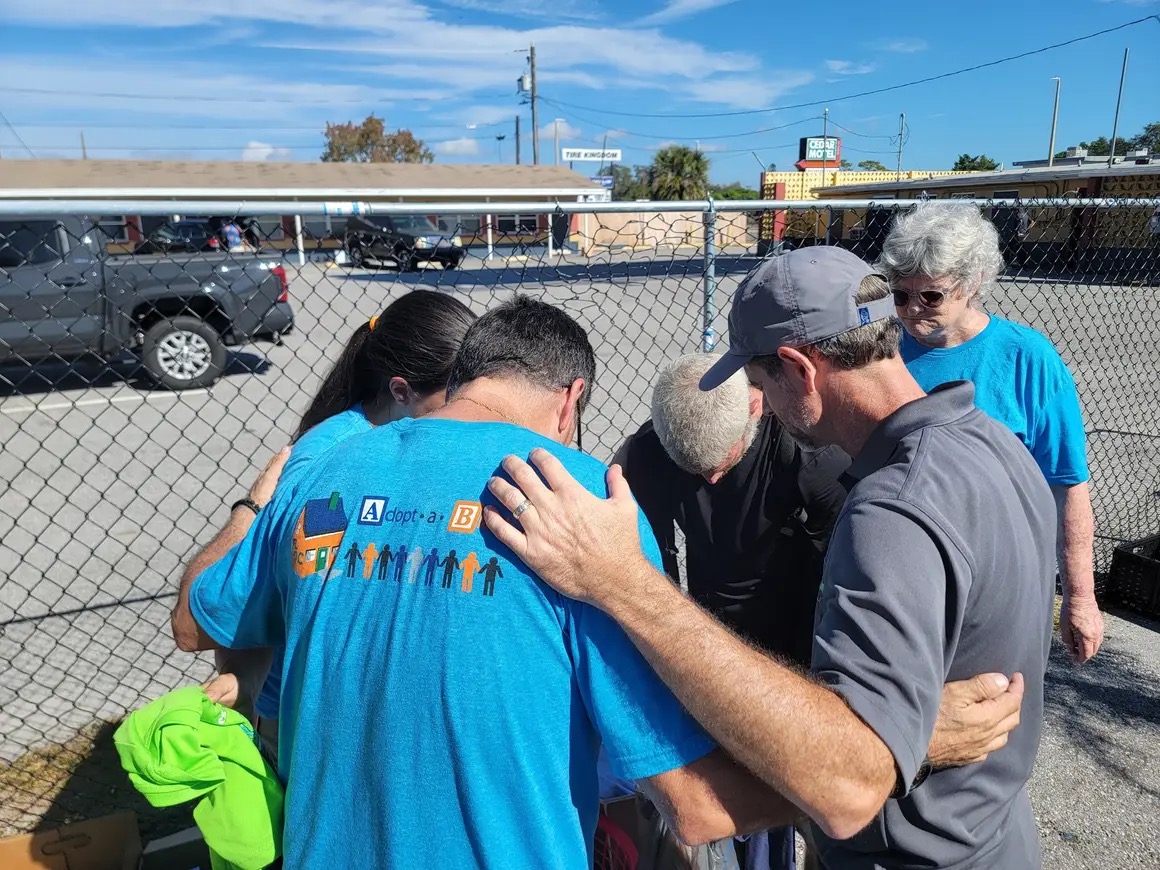
Local faith-based organizations in St. Petersburg became crucial lines of defense against rising food insecurity during the government shutdown. From small church pantries to large-scale community food drives, these groups saw a sharp rise in need and worked tirelessly to make sure no one went home empty-handed.
“We haven’t seen this level of need since the height of the pandemic,” said food drive volunteer Jeremiah Pagan.
Various local organizations described the shutdown period as some of the busiest they had ever experienced. At the Florida Dream Center, a faith-based nonprofit, stacks of donated food fill shelves while volunteers spend hours organizing bags of canned goods, produce and hygiene items.
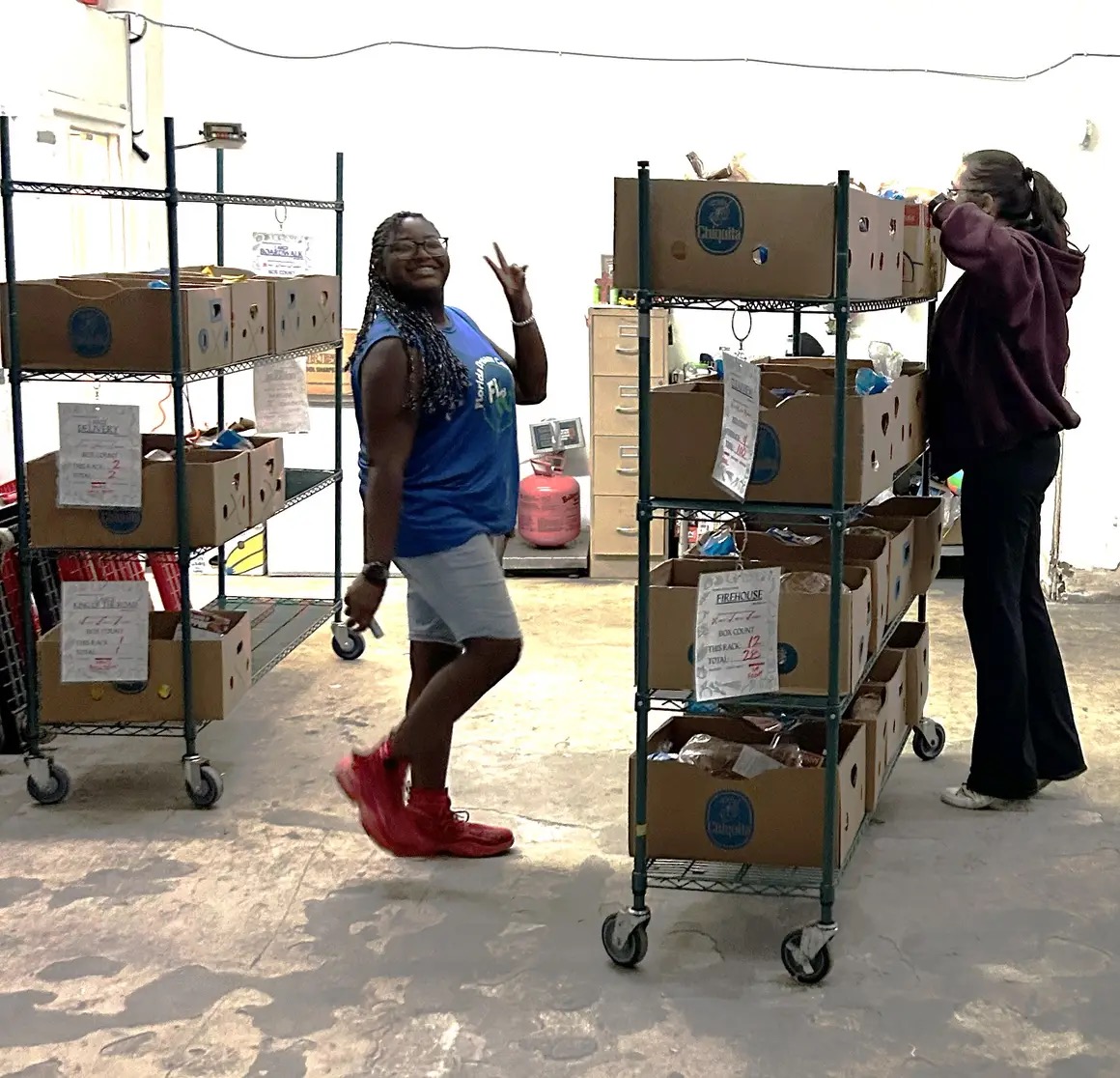
Operating four days a week – Tuesdays, Thursdays, Fridays and Saturdays, the center served hundreds of families struggling to compensate for disrupted federal food aid.
According to Tara Hawotte, the center’s food coordinator, “people began lining up earlier each morning as the shutdown persisted, some arriving more than an hour before opening just to guarantee they would receive a bag of food. We operate off donations and we work with churches and other faith-based organizations so that we can provide food aid in times like the ones we’re in.”
Hawotte said cuts to the Supplemental Nutrition Assistance Program, better known as SNAP, paired with already inflated food prices, were two major drivers of the spike.
“We definitely have noticed a big increase in the number of people in need. We used to have only three or four new clients a week, but now we’re seeing seven to fifteen new clients in a day, and the majority of them once relied on SNAP for food security. Thus far in 2025, we’ve provided around 719,000 meals.”
Hawotte said the sudden surge in demand strained the center’s manpower.
“We still have the same number of workers, but now we are dealing with the increase in demand. Our pantry had full shelves, but other pantries were asking us to supplement theirs too, making it even more difficult for us to keep up.”
Across town, Bridgepoint Church’s Feed St. Pete program, which has distributed food every Thursday night for more than a decade, experienced a similar rise in demand as well “Before the government shutdown, we were seeing about 130 families per night, now it’s closer to 180,” said Son Son, the program’s director. “A lot of people come to use from all walks of life. Just by providing food and sharing conversation with them, that is enough for me to know and that I made a positive impact on someone else’s life and that I am doing God’s will.”
Son said his efforts to give back to the community deepened his sense of purpose.
“Our mission is to serve God, and we do that by feeding the mind, body and soul of those who are struggling. After a while, I started realizing that serving those in need is a spiritual practice, it’s charity, but more importantly, it’s the strength of community through a shared faith.”
A University of South Florida professor said the shutdown exposed vulnerabilities in the country’s food system that hadn’t been seen to such an extent in years. David Himmelgreen, a professor of anthropology and longtime researcher of food insecurity, said the recent spike in food-aid demand reflects a deeper national economic issue. Shutdowns like this one, he said, often push already vulnerable households past their breaking point.
“There are several different ways to measure food insecurity, but really, you’re talking about having limited access to nutritious and quality foods. Quality and quantity are very important.”
Himmelgreen added that even before the shutdown, inflation had already intensified food insecurity here in Florida and across the country.
“About 13.5 percent of people in the country were already food insecure before the shutdown, that’s millions of people. The untimely shutdown has made food vulnerabilities even more visible than they already were, and the need for assistance has risen dramatically. Federal workers need food assistance along with those who fully rely on it monthly. Food banks and pantries are having a difficult time keeping up with demand, showing how vital these efforts are to the communities and the people within them.”
Having previously worked with Feeding Tampa Bay, Himmelgreen said he had seen firsthand the magnitude of people who rely on community efforts to meet their food needs.
“Faith-based resources often play a unique role when government systems falter. People often seek faith-based organizations because they can connect to them and trust them more and in difficult times, people often turn to their faith for strength and encouragement.”
Community leader and St. Pete native Marques Clark said meeting the needs of others is both a mission and a calling. A former restaurant chef who now runs two initiatives, Chef Village and Mission Grounds Ministry, Clark uses cooking to stabilize families experiencing food insecurity and hardship. He said teaching people how to prepare healthy meals with pantry ingredients helps them stretch limited resources further, giving them the upper hand in unplanned situations such as the shutdown.
“I hold supper events where I invite families to my kitchen to teach them how to cook the food they were given from nonprofits and food drives,” Clark said.
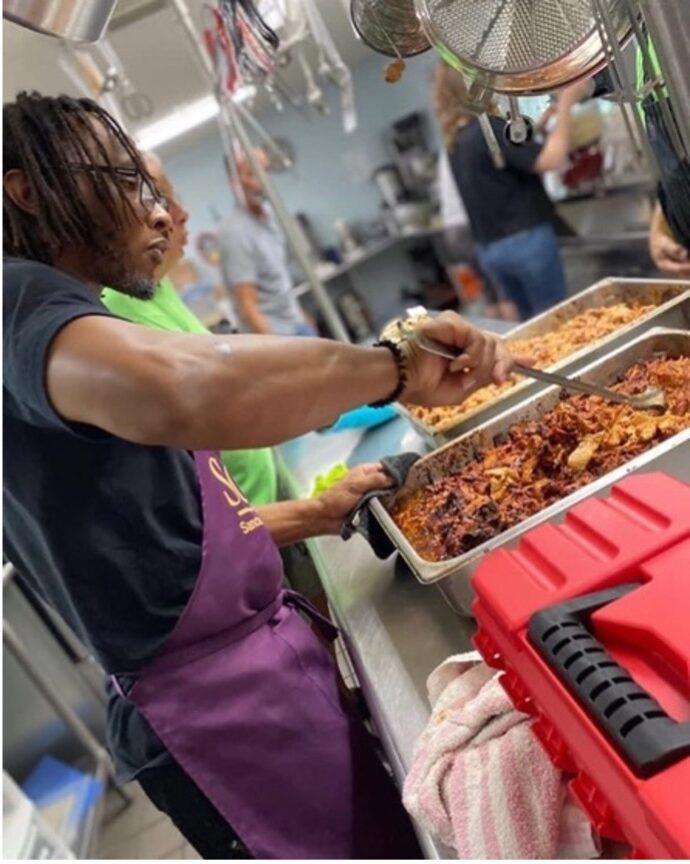
His ministry operates without funding, relying instead on faith and donations. When asked where faith shows up in the work that he does, Clark had this to say:
“Faith shows up in trusting that God will provide. I don’t get funding from outside resources, everything I attain is out of pocket. A lot of the time, I’m not able to purchase my own food because I’m hearing God tell me that there’s a family out there that needs to be fed. Sometimes I have to rely purely on my faith that God is working on my behalf to obtain the things I need to serve the community.”
Clark recently did a TEDx talk centered around his initiative “Chef Village” and the importance of having what he calls a “village mindset”, something he says promotes togetherness and encourages sharing meals as a community around a table. It is set to premiere in 2026.
Despite their different structures and scales, these faith-based initiatives shared one mission: ensuring people felt supported during a moment of uncertainty with God in the center of it all.
“Food is important, and what people need as much as they need food is to know that they’re not alone, that’s where faith steps in,” said Pagan.