By Anna Volino
Traditional venues are losing guests to pop-up music events that offer exclusivity and intimate experiences in Tampa’s evolving nightlife scene.
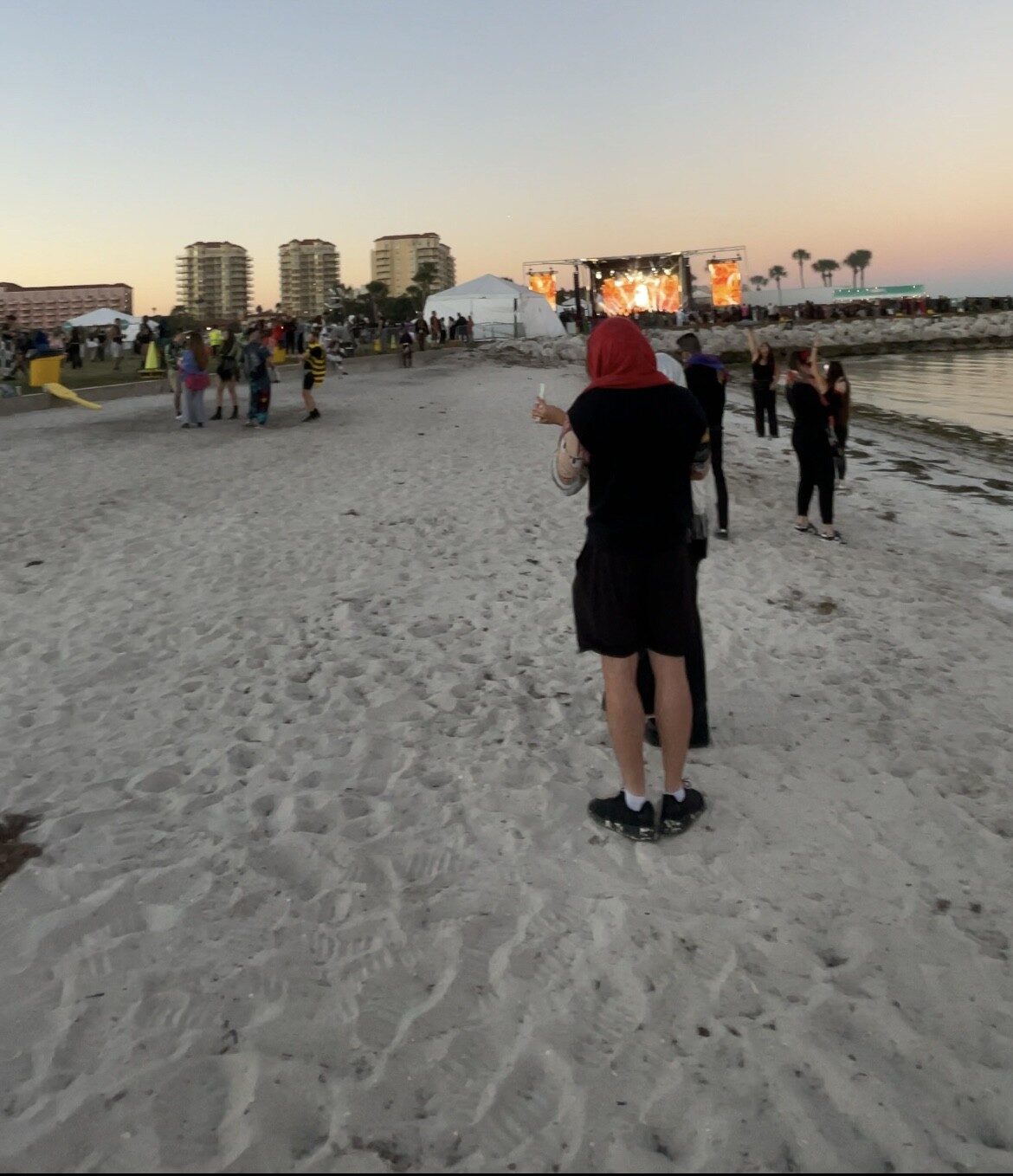
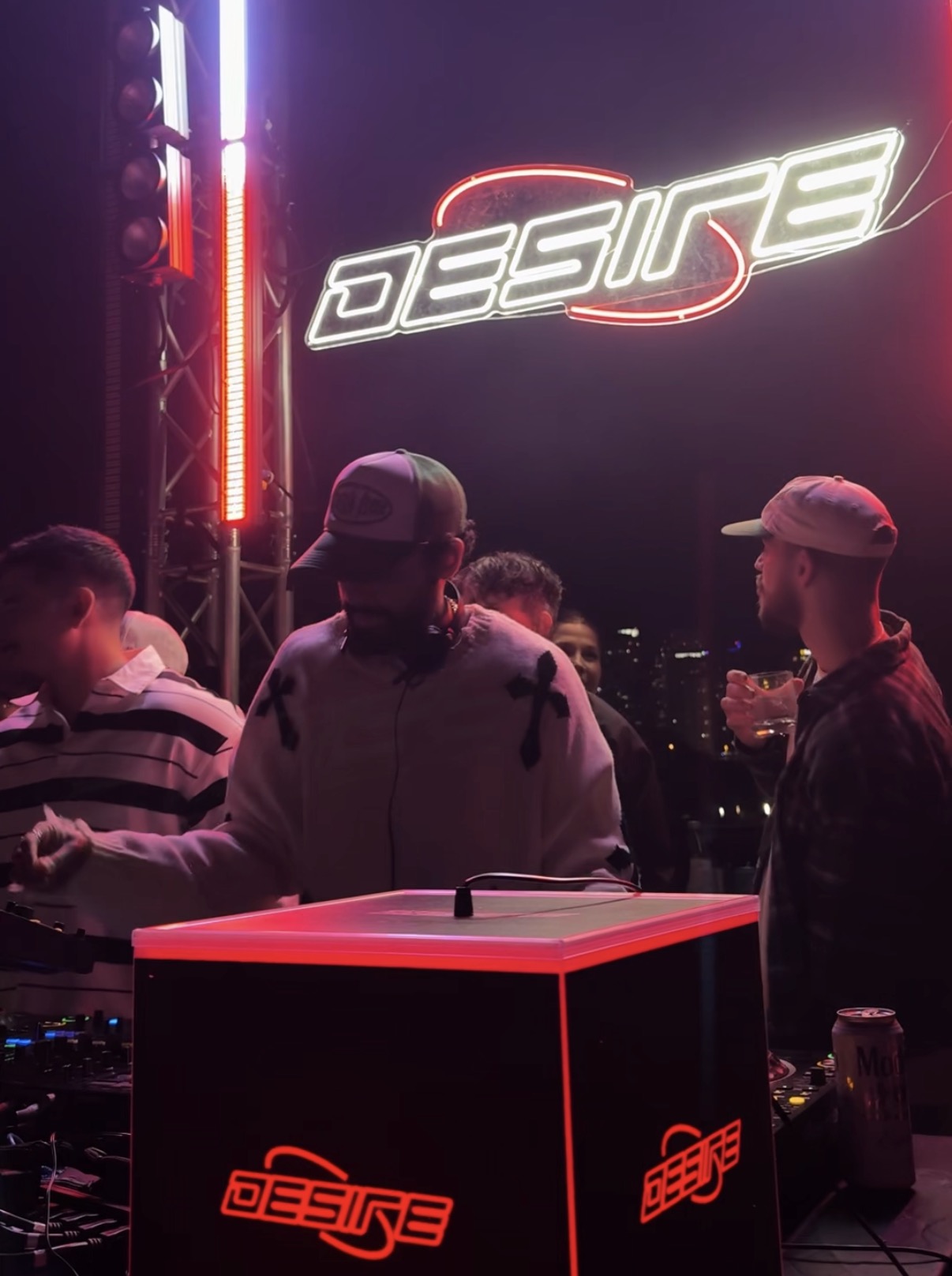
Pop-up event groups like Oneofus and Desire are drawing crowds to warehouse spaces and unconventional locations, announced through social media channels and word-of-mouth networks. These events, held every few months rather than weekly, create urgency through scarcity.
“Desire’s changing locations give guests an element of surprise and make each event feel like a once-in-a-lifetime experience,” Lawrence states.
Jonathan Lawrence, co-owner of Desire, said the model offers creative flexibility without the overhead of maintaining a permanent venue.
Desire only hosts events every few months, which makes people want to attend even more. When something is rare, it feels special. This strategy is similar to how popular clothing brands release limited items—the harder something is to get, the more people want it.
“Not being locked into a fixed location makes the creative side much more flexible,” Lawrence said after his group’s Halloween weekend events, which included two shows at separate locations.
The pop-up format follows a straightforward business approach, according to Lawrence.
“We design what we want, then price it out and determine how many staff we’ll need,” Lawrence said.
Jenna Gardina, a regular attendee of Tampa’s pop-up events, represents the growing audience drawn to underground shows.
Unlike traditional venues that operate on predictable weekly schedules, Desire’s sporadic appearances generate buzz and urgency. Attendees know they can’t just catch the next show—they have to be there when it happens. This unpredictability, combined with changing locations and the element of surprise, transforms each event into a must-attend cultural moment rather than just another night out.
Donny Largotta manages a restaurant in Tampa that converts into a nightclub on weekends with DJs and bottle service. He has seen how pop-up events affect traditional venues’ revenues.
“There is a significant difference in our clientele and our sales the nights these pop-up events happen in Tampa and St. Pete,” Largotta said.
The underground movement raises questions about long-term viability. Industry observers wonder whether pop-up events will maintain their appeal as they grow, or if success will strip away the exclusivity that makes them attractive.
“It gives me something new to look forward to instead of going out to the same bars each weekend,” Gardina said. “I can find new spots in Tampa that I never knew about before.”
She said the unpredictability keeps nightlife exciting.
Traditional venue owners face pressure to adapt. The challenge is replicating the spontaneity and intimacy of pop-up events within permanent spaces that operate on predictable schedules. To compete, his venue has increased spending on talent.
“We have been paying more to bring in more well-known DJs to help mitigate the loss,” he explained. “The challenge is that we’re fighting against the ‘cool factor’ of something new and exclusive,” Largotta added. “People want to be part of the next big thing, not the place they can go to any weekend.”
As audiences increasingly choose pop-up events over traditional venues, the question becomes whether established spaces can evolve to meet changing preferences, or whether underground events will remain a separate part of Tampa’s music scene.